 KemetLeads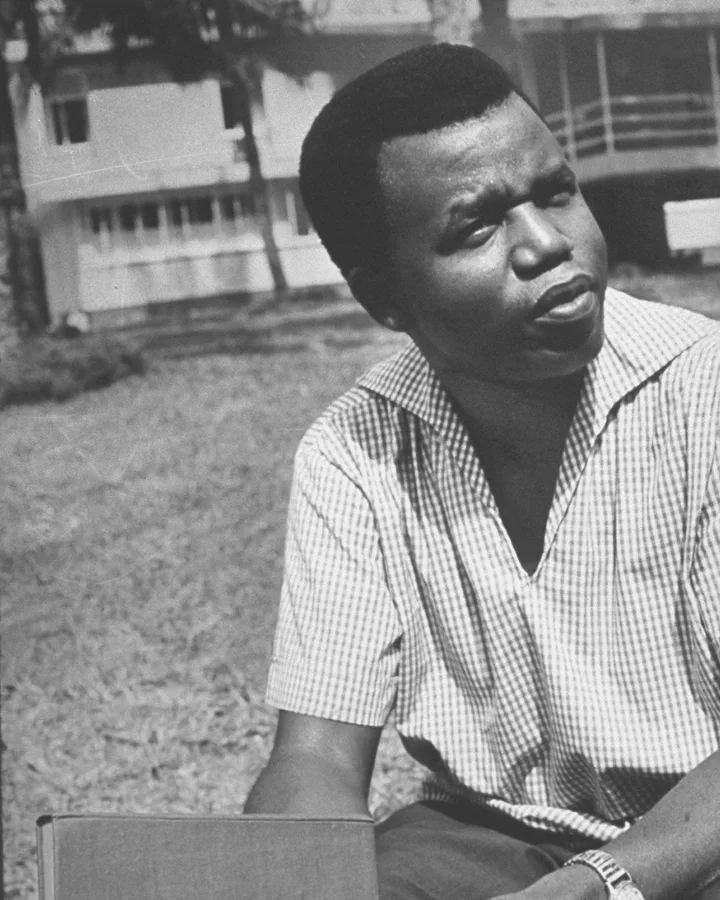
Chinua Achebe
The Nigerian writer who told Africa's story in Africa's own voice, dismantling the colonial fiction that the continent had no story worth telling.
The rise
Born in Igboland and educated at Ibadan, he published Things Fall Apart in 1958 — a novel of Igbo life on the eve of colonialism that became the most widely read work of African fiction and was translated into dozens of languages.
What they did
Across novels, essays, and his blistering critique of Conrad's Heart of Darkness, he founded a literary tradition that wrote Africa from the inside. He championed African writers as an editor and mentor and received the Man Booker International Prize in 2007.
The full picture
He chose to write in English rather than Igbo — a pragmatic choice he defended but which drew lasting criticism from writers like Ngũgĩ wa Thiong'o, who saw it as ceding ground to the colonial tongue. His partisan memoir of the Biafran war, There Was a Country (2012), reopened painful ethnic wounds in Nigeria.
Why it matters
He proved that the formerly colonised could seize the narrative and answer back to empire on the page, reshaping how Africa is read and taught worldwide — and his work remains the foundation of any African literary curriculum.
“"Until the lions have their own historians, the history of the hunt will always glorify the hunter."”