 KemetLeads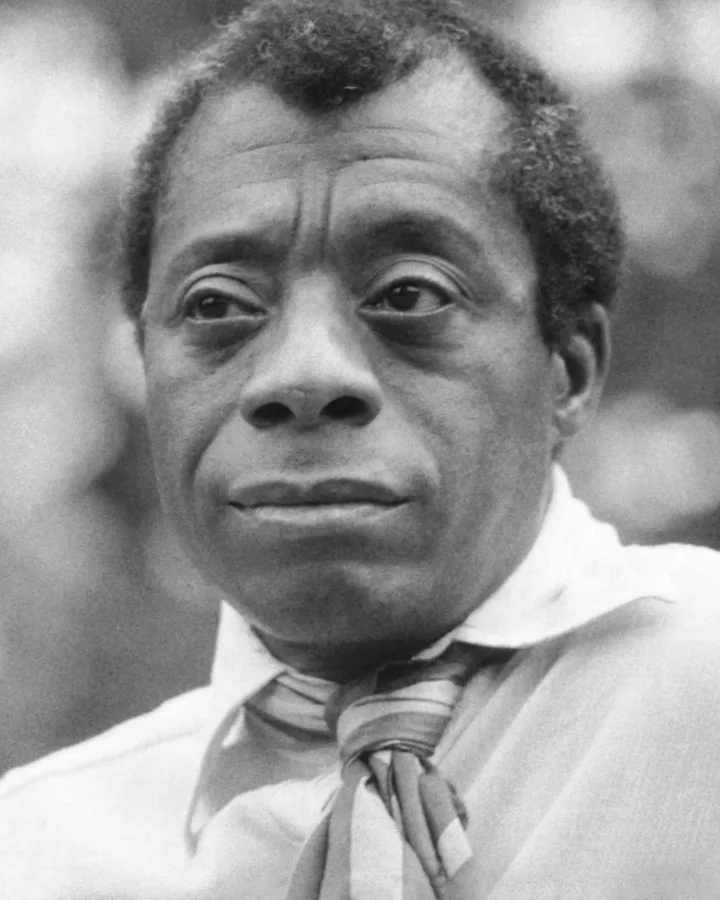
James Baldwin
The Harlem preacher's stepson who told America the truth about itself from a village in France.
The rise
The eldest of nine children in a Harlem household ruled by a bitter stepfather, Baldwin was a teenage Pentecostal preacher before he lost his faith and found Richard Wright. In 1948, with $40, he left for Paris to escape a country he feared would kill him, and there wrote Go Tell It on the Mountain (1953) and Giovanni's Room (1956), a love story between men that his publisher urged him to burn.
What they did
Notes of a Native Son (1955) and The Fire Next Time (1963) made him the movement's most searching essayist and put him on the cover of Time; he marched in Selma, debated William F. Buckley at Cambridge in 1965 and met Robert Kennedy to demand action. His FBI file ran to nearly 1,900 pages.
The full picture
Eldridge Cleaver attacked him as a self-hating homosexual, and younger radicals dismissed his integrationist hopes; his later novels were widely judged inferior to his essays. He struggled with alcohol, suicidal despair after the assassinations of the 1960s, and a sense that he had been exiled by both his country and, at times, his own movement.
Why it matters
Baldwin's insistence that racism is a white problem, and that love and clear sight are political acts, has made him the most quoted American writer of the Black Lives Matter era.
“Not everything that is faced can be changed; but nothing can be changed until it is faced.”