 KemetLeads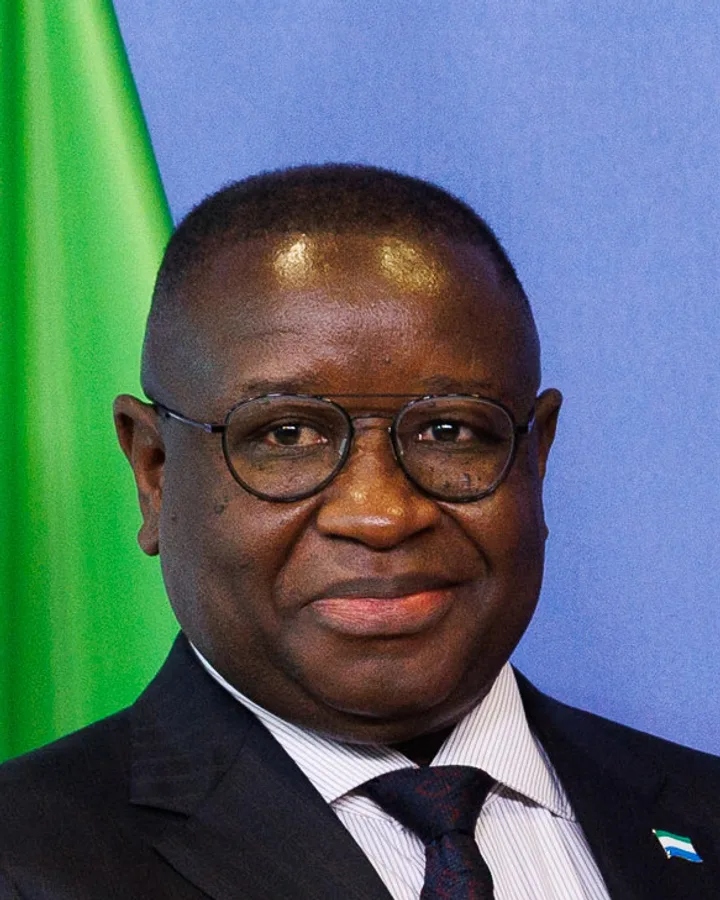
Julius Maada Bio
The soldier who once seized power in a coup, then handed it back to civilians — and returned decades later as an elected president.
KemetLeads Scorecard
How we score →Elected in 2018, re-elected in a disputed 2023 vote; conduct broadly constitutional.
P = percentile among the other African countries over the same years. Rows 1–4 are country-level change during the tenure — evidence, not proof.
Our read
Broadly constitutional conduct through two disputed-but-accepted elections; the scorecard's caution is about how the wins were contested, not how they ended.
Power 2018–
Two-term limit in force; second and final term began in 2023.
Sources: Archigos 4.1 (Goemans, Gleditsch & Chiozza) · Powell & Thyne coup data V2026.08.29 · term-limit conduct coded by KemetLeads
The rise
A career soldier in the NPRC junta, he led a 1996 coup that toppled Valentine Strasser, then organised elections and transferred power to elected civilian Ahmad Tejan Kabbah within months. After years abroad and study, he won the presidency for the SLPP in 2018.
What they did
His government's flagship achievement is the Free Quality Education programme, which committed a large share of the national budget to free schooling. He was re-elected in 2023 with a reported majority.
The full picture
His credit for restoring democracy in 1996 is genuine but came from within a military regime he had helped run. The contested 2023 election drew concern from international observers over transparency, and critics point to economic hardship and crackdowns on dissent during his tenure.
Why it matters
His arc — coup-maker turned democrat turned elected leader — is a striking case study in how African strongmen and reformers are often the same person at different moments, and in the fragility of West African democratic gains.
“"Education is the great equaliser, and no child in Sierra Leone should be left behind because of poverty."”