 KemetLeads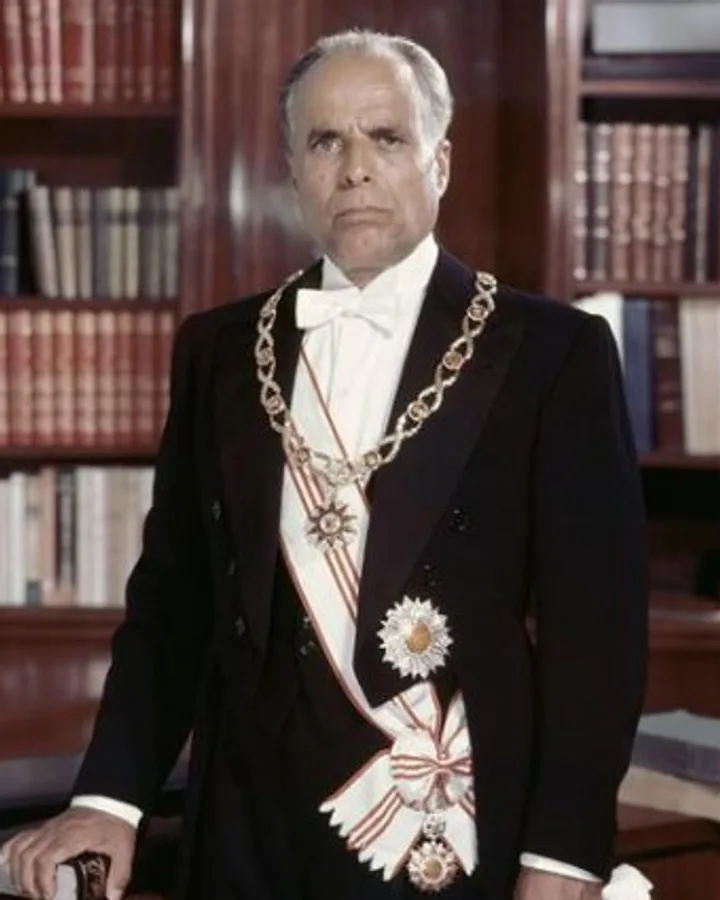
Habib Bourguiba
The modernizer who built women's rights into a nation's foundation.
KemetLeads Scorecard
How we score →Elected founder who made himself president-for-life in 1975; deposed in 1987; a landmark record on education and women's rights.
P = percentile among the other African countries over the same years. Rows 1–4 are country-level change during the tenure — evidence, not proof.
Our read
The Code du Statut Personnel alone makes him a giant — it is why his record check passes. The presidency-for-life is why the rest does not.
Power 1957–1987
Made president for life in 1975; removed on medical grounds by Ben Ali in 1987.
Sources: Archigos 4.1 (Goemans, Gleditsch & Chiozza) · Powell & Thyne coup data V2026.08.29 · term-limit conduct coded by KemetLeads
The rise
Leader of the independence movement against France, Bourguiba became independent Tunisia's first president in 1957.
What they did
He enacted the Code of Personal Status — among the Arab world's most progressive — banning polygamy and expanding women's rights, and built a secular, education-focused state.
The full picture
His decades-long rule became a personality cult and one-party system; declared president-for-life, he was deposed in a 1987 medical coup.
Why it matters
Bourguiba showed reform and women's emancipation could anchor a modern state — while modelling the trap of clinging to power.
“A nation cannot advance while half its people remain in the shadows.”