 KemetLeads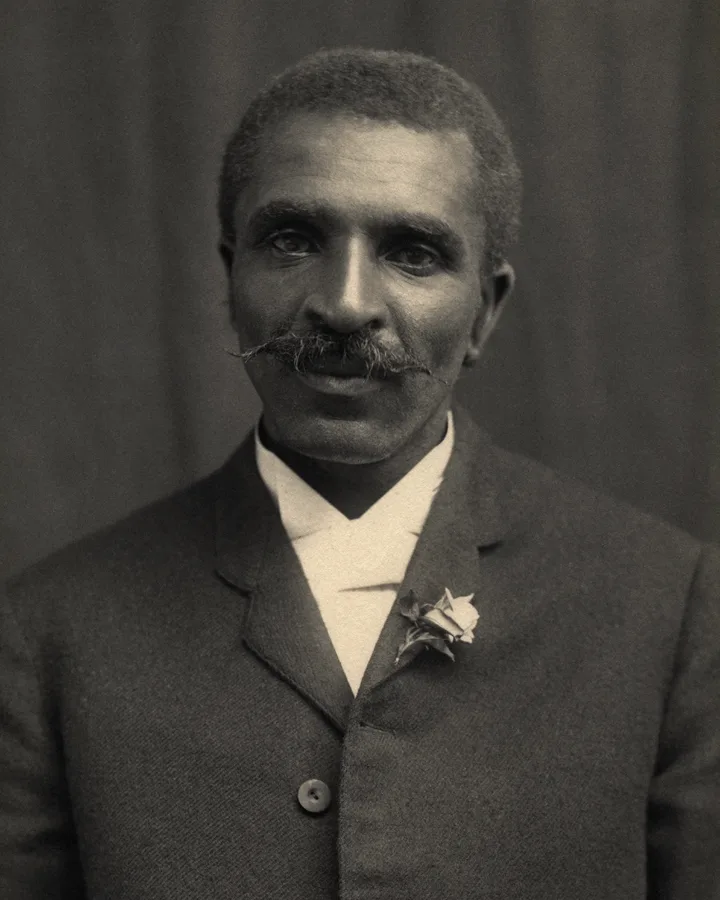
George Washington Carver
The enslaved orphan who taught the ruined soil of the South to feed its poorest farmers.
The rise
Born into slavery in Missouri near the end of the Civil War and kidnapped as an infant by raiders, Carver was raised by his former owners, walked miles to find schools that would admit him, and became the first Black student at Iowa State, graduating with a master's in 1896. Booker T. Washington then hired him to run agriculture at Tuskegee Institute, where he stayed 47 years.
What they did
He preached crop rotation with peanuts, sweet potatoes and cowpeas to restore cotton-exhausted land, devised hundreds of uses for those crops and took his lessons to sharecroppers by a mule-drawn 'Jesup wagon'. His 1921 testimony to Congress on the peanut made him a national celebrity; he advised Gandhi, corresponded with Henry Ford and left his savings to a research foundation.
The full picture
The legend that he invented peanut butter is false, few of his products reached market and his scientific papers were slight; historians note that his fame was cultivated by white audiences comfortable with a humble, apolitical Black genius. He clashed repeatedly with Washington over his administrative duties and stayed silent on Jim Crow.
Why it matters
Carver's practical sustainable-agriculture outreach for the poorest farmers foreshadowed the extension-service model, and his story remains a rare case of a Black scientist celebrated in his own lifetime.
“…this line of education is the key to unlock the golden door of freedom to our people.”