 KemetLeads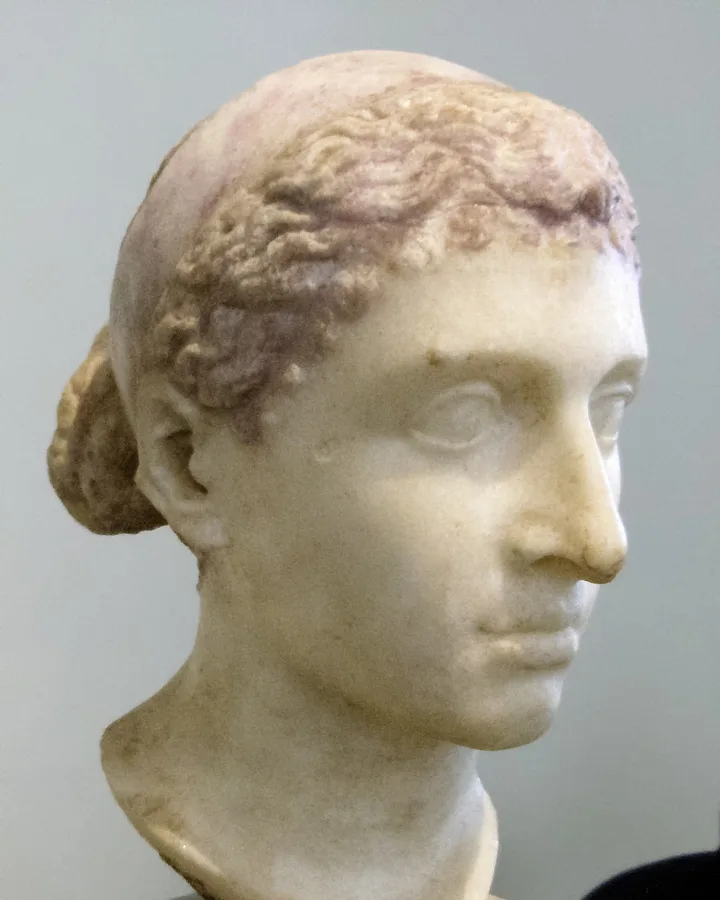
Cleopatra VII
A multilingual queen-administrator who gambled the survival of an ancient kingdom on the politics of Rome.
The rise
Born into the Macedonian-Greek Ptolemaic dynasty, she inherited the throne at about eighteen and, after being pushed out by her brother and his courtiers, recovered power through her alliance with Julius Caesar.
What they did
She stabilised Egypt's finances and bureaucracy, championed agriculture and trade, ran ambitious building projects, and was the only Ptolemaic ruler known to have learned Egyptian; through Caesar and later Mark Antony she kept Egypt independent for two decades longer than its neighbours.
The full picture
Her rule depended on Roman patrons and dynastic violence was part of her path to power, including conflict with her own siblings. Much of her later image is Roman propaganda that reduced a capable head of state to a seductress, while the reality is a shrewd but ultimately defeated political player.
Why it matters
She shows African and Mediterranean statecraft at its most sophisticated, a ruler who used diplomacy, economics and culture to defend sovereignty against a rising superpower, and a warning about staking a nation's fate on foreign alliances.
“"I will not be triumphed over." (attributed by ancient tradition to her refusal to be paraded through Rome)”