 KemetLeads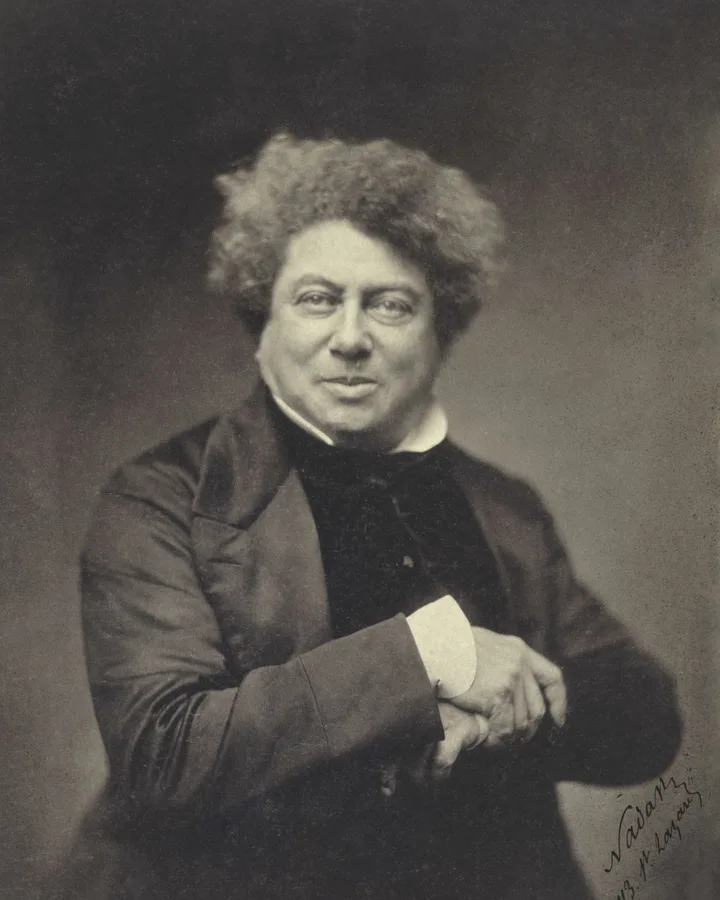
Alexandre Dumas
The general's son from Haiti's bloodline who became the most-read Frenchman of his century.
The rise
His father, Thomas-Alexandre Dumas, son of a French marquis and an enslaved Haitian woman, rose to general under the Revolution before Napoleon sidelined him and left the family destitute. Raised in Villers-Cotterêts with little schooling, Dumas moved to Paris as a clerk for the Duke of Orléans, and his 1829 play Henri III et sa cour made him a star of the Romantic stage overnight.
What they did
In the 1840s he produced, with collaborator Auguste Maquet, a torrent of serialised novels including The Three Musketeers, The Count of Monte Cristo and La Reine Margot, selling more than any writer of his age and translated into a hundred languages. He founded his own theatre and newspapers, ran guns to Garibaldi in 1860, and wrote roughly 100,000 pages in all.
The full picture
He was mocked in the racist press of his day, spent fortunes on a château he could not afford, went bankrupt and fled creditors to Belgium, and his reliance on ghostwriters spawned lawsuits and lasting doubts about authorship. His son, the author of La Dame aux camélias, was born to a seamstress he never married, one of many liaisons.
Why it matters
France moved Dumas into the Panthéon in 2002, and his life stands as a rebuke to the idea that Black heritage and the French literary canon were ever separate things.
“All for one, one for all.”