 KemetLeads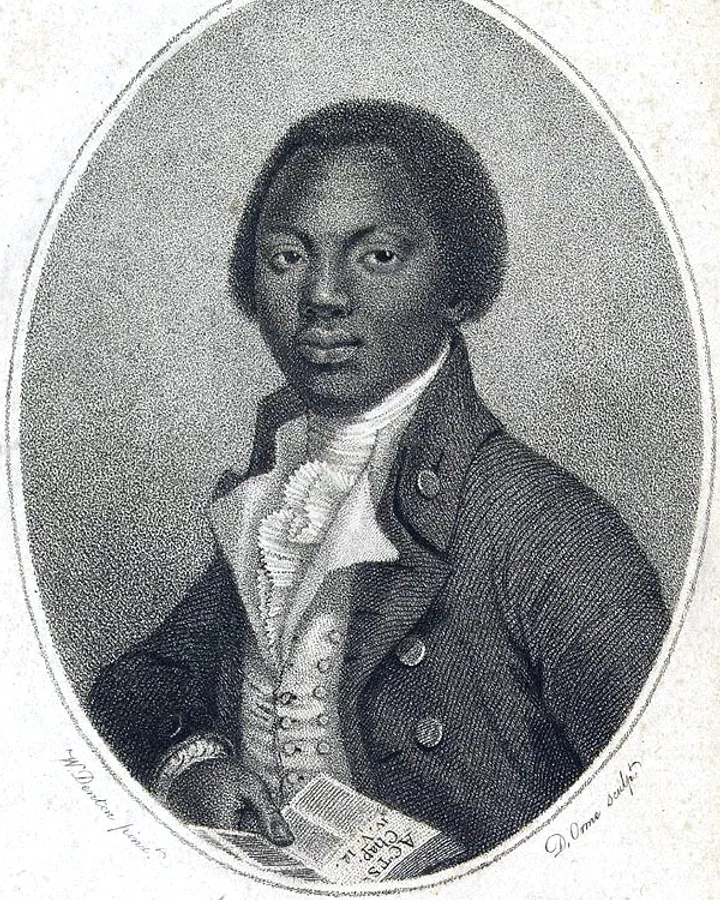
Olaudah Equiano
The man who bought his own freedom and then sold Britain the case against slavery.
The rise
By his own account kidnapped from an Igbo village at about eleven and shipped to Barbados and Virginia, Equiano was bought by a Royal Navy officer, renamed Gustavus Vassa and taught to read at sea. Sold on to a Quaker merchant in Montserrat, he traded on his own account between voyages and in 1766 purchased his freedom for £40.
What they did
Settled in London, he helped expose the Zong massacre in 1783, joined the Sons of Africa and in 1789 published The Interesting Narrative of the Life of Olaudah Equiano, which ran through nine editions in his lifetime and put a first-person African voice at the centre of the abolition campaign. He toured Britain and Ireland promoting it for five years.
The full picture
Baptismal and naval records naming South Carolina as his birthplace have led scholars such as Vincent Carretta to argue the African childhood may be borrowed testimony, a dispute that remains open. He also briefly worked for a slave plantation in Central America and was sacked from the Sierra Leone resettlement scheme after denouncing its corruption.
Why it matters
Equiano's book invented the slave narrative as a political weapon and remains the most vivid eighteenth-century account of the Middle Passage written by someone who claimed to have survived it.
“O, ye nominal Christians! might not an African ask you, learned you this from your God?”