 KemetLeads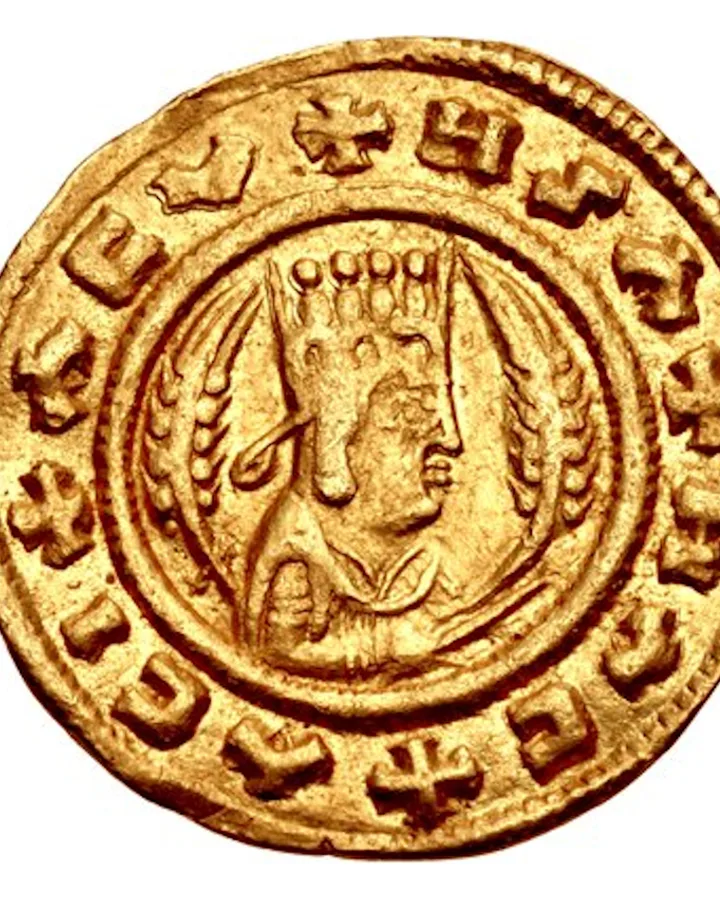
Ezana of Aksum
The boy-king who made Aksum the first African state to adopt Christianity, and stamped the cross on its coins to prove it.
The rise
Ezana inherited the throne of Aksum as a child around 320, with his mother Sofya as regent and a Syrian Greek castaway, Frumentius, as his tutor. When Ezana came of age, Frumentius went to Alexandria to be consecrated the first bishop of Ethiopia, and the king he had raised embraced the new faith.
What they did
Around 340 Ezana replaced the crescent and disc on his gold coinage with the cross, the first ruler anywhere to do so, and his inscriptions shift from the war-god Mahrem to the 'Lord of Heaven' and the Trinity. He campaigned against the Beja and the Noba and marched into Nubia, where his stelae record the crushing of the decaying kingdom of Kush.
The full picture
His inscriptions are victory boasts, and scholars still argue whether the Nubian campaign toppled Meroë or merely policed its ruins. Conversion did not soften the empire: the same texts tally captives, seized cattle and burnt towns. His dates are approximate and much of his reign is known only from coins and stone.
Why it matters
Ezana anchors a fact the world keeps forgetting: Christianity became a state religion in Africa a generation before it did in Rome, and Ethiopia's church and script descend from his court.