 KemetLeads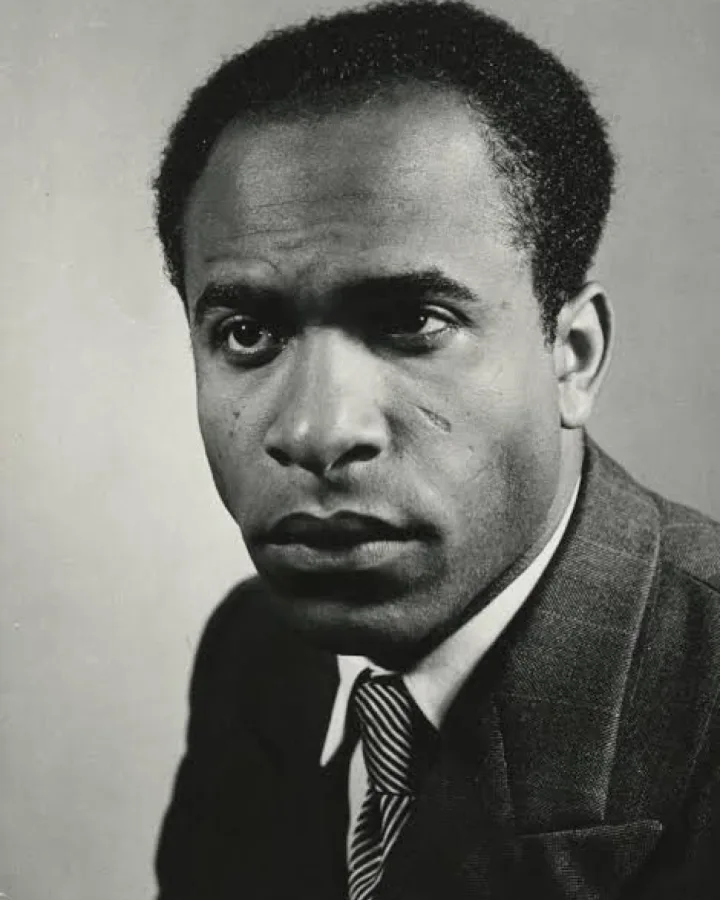
Frantz Fanon
The psychiatrist who diagnosed colonialism itself as the disease.
The rise
Born in Fort-de-France, Fanon fought for Free France in 1944, then studied medicine and psychiatry in Lyon, where the racism he met on the street became the raw material of Black Skin, White Masks (1952). Posted to the Blida-Joinville hospital in Algeria in 1953, he treated both torturers and tortured as the war of independence began.
What they did
He resigned in 1956, joined the Algerian FLN, edited its newspaper El Moudjahid in Tunis and served as the provisional government's ambassador to Ghana. Racing leukaemia, he dictated The Wretched of the Earth (1961), the era's most influential anatomy of decolonisation, which Jean-Paul Sartre prefaced and which was seized by French police on publication.
The full picture
His defence of revolutionary violence as a 'cleansing force' has been read as prophecy and as licence, and his dismissal of négritude and of the peasantry-versus-bourgeoisie question drew fire from Marxists and Africanists alike. He never lived to see Algerian independence, dying in a Maryland hospital at 36 while under CIA-arranged care, and was buried in Algeria under a nom de guerre.
Why it matters
Fanon supplied the vocabulary that liberation movements from Algiers to Soweto to the Black Panthers used to name their condition, and his insight that colonialism wounds the mind as well as the map still anchors postcolonial studies, psychiatry and activism.
“Each generation must, out of relative obscurity, discover its mission, fulfill it, or betray it.”