 KemetLeads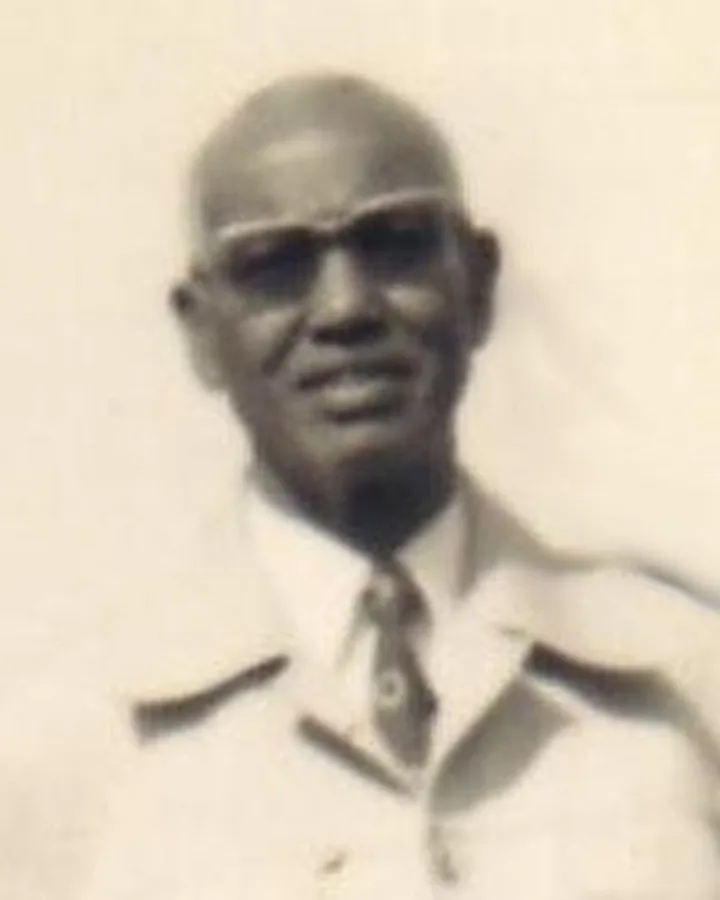
Hassan Gouled Aptidon
The Issa herder's son who steered a tiny colony to independence, then would not let go for 22 years.
KemetLeads Scorecard
How we score →Led Djibouti to independence and was elected in 1977, then imposed a one-party state in 1981 and fought a civil war with the FRUD; retired in 1999, handing the succession to his nephew.
P = percentile among the other African countries over the same years. Rows 1–4 are country-level change during the tenure — evidence, not proof.
Our read
The father of independence scores P2 on rights: the 1981 one-party turn and the civil war undid the freedoms of 1977. GDP per capita halved on his watch (−52% against a continent at +4%) while health improved at the continental pace. He left on time — to a nephew.
Power 1977–1999
The 1992 constitution set two six-year terms; retired in 1999 after one term under it.
Sources: Archigos 4.1 (Goemans, Gleditsch & Chiozza) · Powell & Thyne coup data V2026.08.29 · term-limit conduct coded by KemetLeads
The rise
Born in 1916 in British Somaliland to an Issa family, Gouled worked as a dockhand and trader in Djibouti before entering politics; he sat in the French Senate from 1952 and the National Assembly from 1959. Long a loyalist who campaigned for France in the 1958 referendum, he switched to independence in the 1970s, led the Ligue Populaire Africaine pour l'Indépendance and won the May 1977 referendum.
What they did
President from 27 June 1977, he held a fragile territory together for 22 years, balancing Somali and Afar communities and the rival appetites of Ethiopia and Somalia while keeping the French base that guaranteed both security and cash. Djibouti's port and railway became the Horn's lifeline, and he made the city a venue for Somali reconciliation talks in 1991.
The full picture
In 1981 he outlawed every party but his own RPP and ruled through an Issa inner circle; Afar exclusion fuelled the 1991–94 civil war with FRUD, ended by a deal that only partly opened politics. Torture and rigged elections were documented, and in 1999 he handed power to his nephew and chief of staff, Ismaïl Omar Guelleh, who still rules today.
Why it matters
Gouled built a state where geography and demography argued against one, and the balancing act he invented, between clans, neighbours and foreign bases, still defines Djibouti. His legacy is also the dynastic template that has kept a single family in power for nearly half a century.
“My heart is filled with pride as I contemplate my nation reconciled, its memory rebuilt and its history freed of its resentments.”