 KemetLeads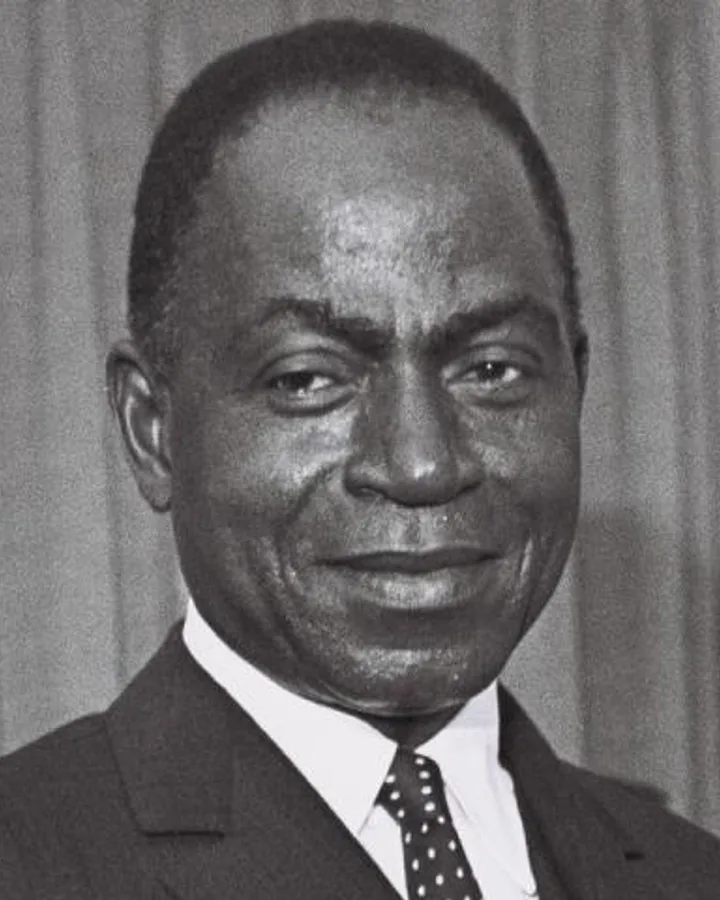
Félix Houphouët-Boigny
Architect of the 'Ivorian miracle' — and of dependence on France.
KemetLeads Scorecard
How we score →Elected repeatedly under a one-party system; died in office after decades of growth-first stability.
P = percentile among the other African countries over the same years. Rows 1–4 are country-level change during the tenure — evidence, not proof.
Our read
The growth-first bargain: three decades of stability and relative prosperity, purchased with a one-party state. The score reflects the bargain's terms.
Power 1960–1993
One-party rule until 1990, no limits; died in office in 1993.
Sources: Archigos 4.1 (Goemans, Gleditsch & Chiozza) · Powell & Thyne coup data V2026.08.29 · term-limit conduct coded by KemetLeads
The rise
A planter, doctor and French government minister before independence, Houphouët-Boigny led Côte d'Ivoire to nationhood in 1960.
What they did
He delivered decades of stability and cocoa-driven growth — the 'Ivorian miracle' — making Abidjan a thriving regional hub.
The full picture
His one-party rule, close 'Françafrique' ties and the extravagant Yamoussoukro basilica drew criticism, and the prosperity unraveled into conflict after his death.
Why it matters
He showed stability and growth were possible in post-colonial Africa — and how fragile they are without durable institutions.
“Peace is not a word, it is a behaviour.”