 KemetLeads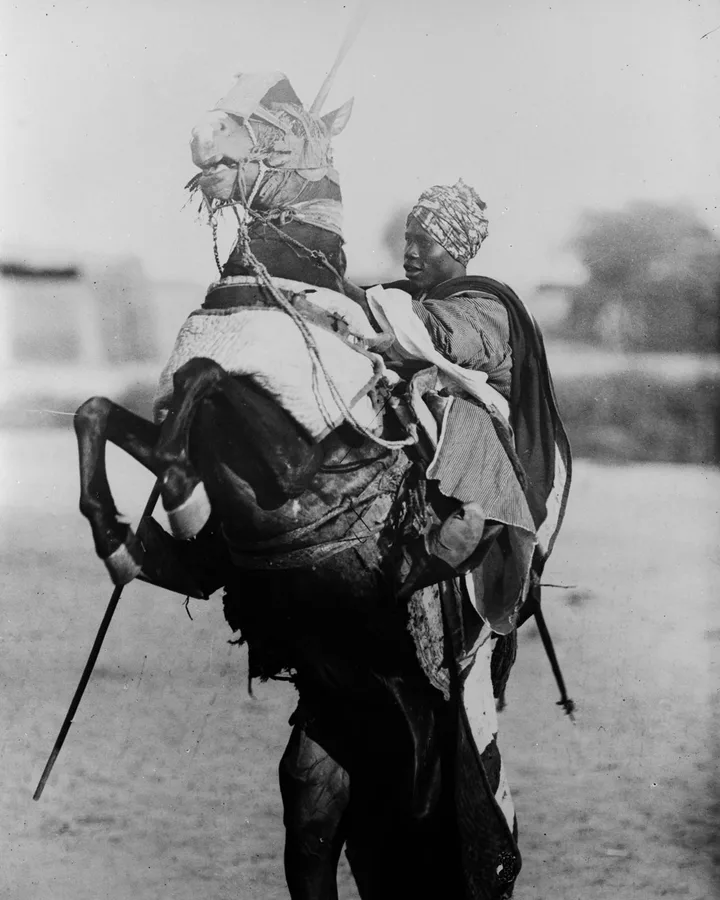
Idris Alooma
The Saharan king who bought muskets from the Ottomans and ruled the greatest state between the Nile and the Niger.
The rise
Born into the Sayfawa dynasty, one of the longest-reigning royal lines in Africa, Idris came to the throne of Bornu around 1570 after years of dynastic turbulence. His chief imam, Ahmad ibn Fartuwa, chronicled the first twelve years of his reign, which makes him the best-documented ruler in the empire's thousand-year history.
What they did
He rebuilt his army with Turkish-trained musketeers and camel cavalry, reconquered Kanem east of Lake Chad, raised walled fortresses and secured the trans-Saharan routes. He exchanged embassies with the Ottoman sultan and Morocco's Ahmad al-Mansur, and introduced qadi courts and Islamic law, giving Bornu a reach and an administrative order it had never known.
The full picture
His wars were also slave raids: captives fed the Saharan trade that paid for the guns, and the 'pacification' of the Sao and other peoples meant burned villages and destroyed crops. The chronicle that flatters him was commissioned by him, and even the dates of his reign and his death remain uncertain, the Wikipedia consensus now placing his death around 1603.
Why it matters
Idris shows an African state adapting gunpowder, diplomacy and law on its own terms, generations before Europeans reached the Sahel interior. For Chad, Nigeria, Niger and Cameroon, Bornu is a shared inheritance and a reminder that the Sahara was a highway, not a wall.