 KemetLeads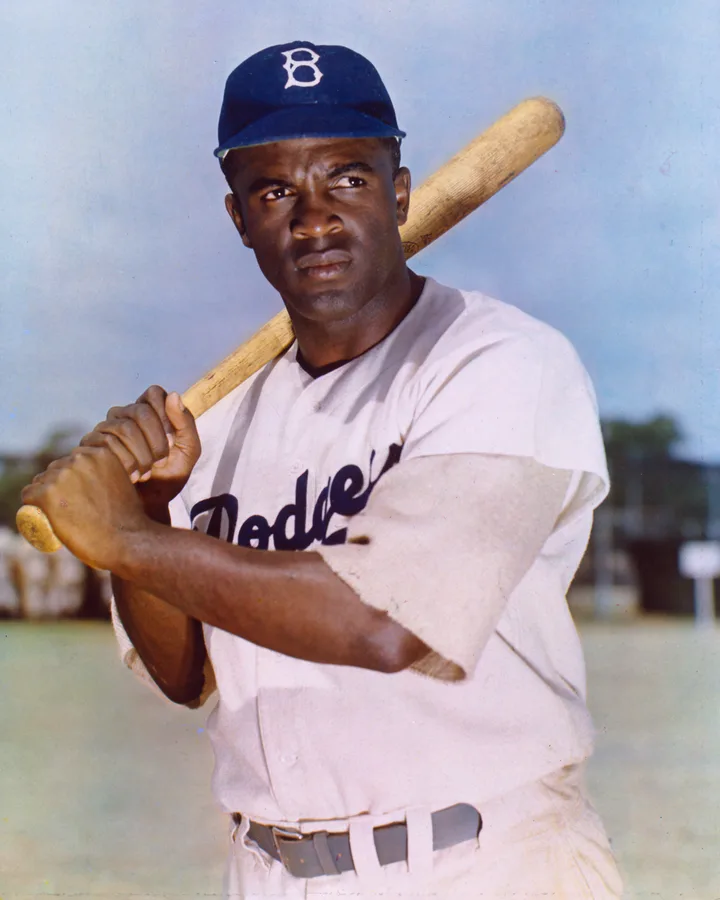
Jackie Robinson
The man who integrated America's pastime by refusing to fight back, and then refused to stay quiet.
The rise
The grandson of enslaved people and son of a Georgia sharecropper who abandoned the family, Robinson grew up in Pasadena and lettered in four sports at UCLA. As an army lieutenant in 1944 he was court-martialled for refusing to move to the back of a bus and acquitted; he was playing for the Kansas City Monarchs when Dodgers executive Branch Rickey signed him in 1945.
What they did
On 15 April 1947 he broke baseball's colour line, enduring beanballs, spikes and death threats under a pledge not to retaliate, and was named Rookie of the Year, then 1949 National League MVP. He played in six World Series, winning in 1955, and after retiring became a corporate executive, NAACP fundraiser and syndicated columnist who pressed presidents on civil rights.
The full picture
His 1949 testimony before the House Un-American Activities Committee, in which he distanced himself from Paul Robeson, haunted him, and his support for Richard Nixon in 1960 and Nelson Rockefeller alienated many activists. He died at 53 of heart disease and diabetes, largely blind, nine days after publicly demanding that baseball hire a Black manager.
Why it matters
Robinson's restraint was strategy, not submission, and his later years show a man who understood that integration without power was only half a victory.
“A life is not important except in the impact it has on other lives.”