 KemetLeads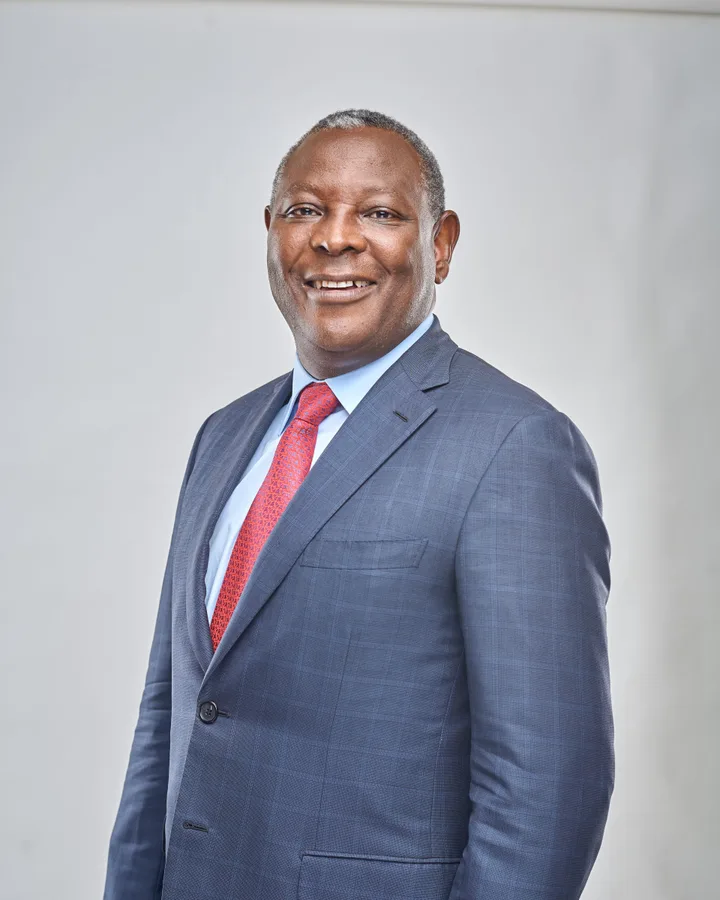
James Mwangi
He abolished the minimum balance, and millions who had never been inside a bank walked in.
The rise
Born in 1962 in Kangema, Murang'a, Mwangi watched a clerk humiliate his widowed mother over an empty account. He read accounting at the University of Nairobi and in 1991 joined Equity Building Society as finance director; by 1993 the Central Bank had declared it insolvent, three depositors holding 85% of its deposits.
What they did
He scrapped minimum balances and ledger fees, took branches to market towns and vans to villages, and in 2004 converted the society into a commercial bank with himself as CEO. Customers grew from a few thousand to over 14 million by 2019; Equity Group now spans six countries with one of Africa's largest customer bases. Wings to Fly has paid school fees for over 26,000 Kenyans.
The full picture
Consumer credit costs and fees draw recurring complaints, and Equity's security has failed: a 2023 breach of its card-payment system cost about Sh322 million, and an April 2024 debit-card fraud emptied 551 accounts. DR Congo is a hard compliance test, and his twin roles as CEO and philanthropic face invite governance criticism.
Why it matters
African banking's political question is who is allowed to have an account. Mwangi answered it with a commercial decision — no minimum balance, the branch at the market stall — that did more for inclusion than aid.
“The humiliation my mother went through helped to develop the corporate philosophy of Equity when I took over; dignity came before financial services.”