 KemetLeads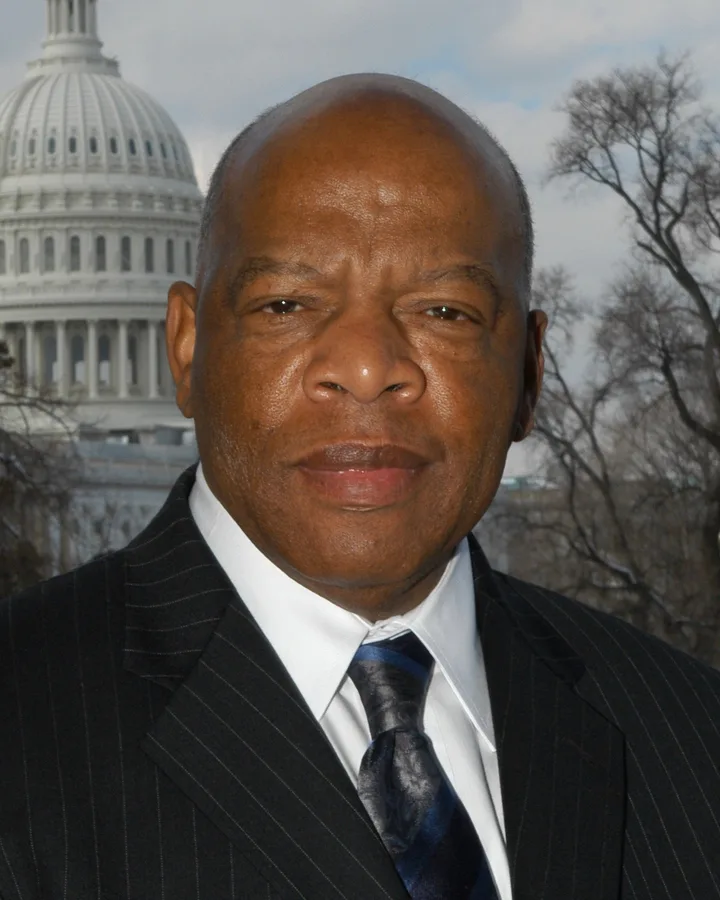
John Lewis
Civil-rights leader & long-serving U.S. Congressman
The 'conscience of Congress' who bled on a bridge so others could vote.
The rise
A young leader of the sit-ins and Freedom Rides, Lewis became chairman of the Student Nonviolent Coordinating Committee and one of the movement's most fearless foot soldiers.
What they did
He was beaten on 'Bloody Sunday' at the Selma bridge in 1965, a turning point for the Voting Rights Act, then served over three decades in the U.S. House, championing civil rights, voting access and 'good trouble'.
The full picture
He was arrested dozens of times and carried lifelong scars, and lived to see parts of the Voting Rights Act he bled for weakened by the courts.
Why it matters
Lewis embodied a lifetime of moral courage, bridging the street protests of the 1960s and the halls of power.
“Ordinary people with extraordinary vision can redeem the soul of America by getting in what I call good trouble, necessary trouble.”