 KemetLeads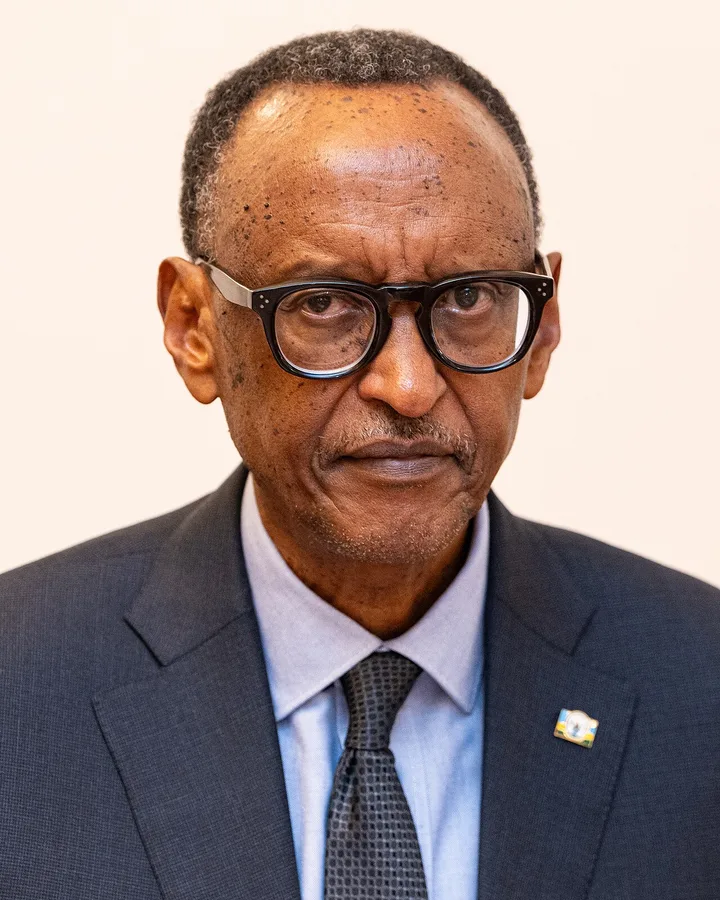
Paul Kagame
The most polarizing leader in modern Africa: visionary modernizer to some, authoritarian to others.
KemetLeads Scorecard
How we score →Post-genocide security and development delivery is real; power was taken militarily, elections lack competition, and a 2015 referendum allows rule to 2034.
P = percentile among the other African countries over the same years. Rows 1–4 are country-level change during the tenure — evidence, not proof.
Our read
The starkest split on the platform: rule of law and state capacity up 26 points — the best delta we measure — while political competition stays close to zero. Rwanda is the whole development-versus-democracy argument in one scorecard.
Power 2000–
The 2015 referendum reset the clock, allowing him to serve until 2034.
Sources: Archigos 4.1 (Goemans, Gleditsch & Chiozza) · Powell & Thyne coup data V2026.08.29 · term-limit conduct coded by KemetLeads
The rise
Kagame led the Rwandan Patriotic Front that ended the 1994 genocide, then became the country's effective and later official leader.
What they did
He presided over one of Africa's most striking transformations — rapid growth, near-universal health coverage, low corruption, a clean and efficient Kigali, and high female representation in parliament.
The full picture
That progress came with a heavy cost to political freedom: suppressed opposition, a constrained press, constitutional changes extending his rule, and credible allegations of cracking down on dissidents at home and abroad.
Why it matters
Kagame forces the hardest question in modern African governance: how much freedom is a society willing to trade for stability and results? Sit with the tension; don't resolve it cheaply.
“We are not here to please people. We are here to deliver.”