 KemetLeads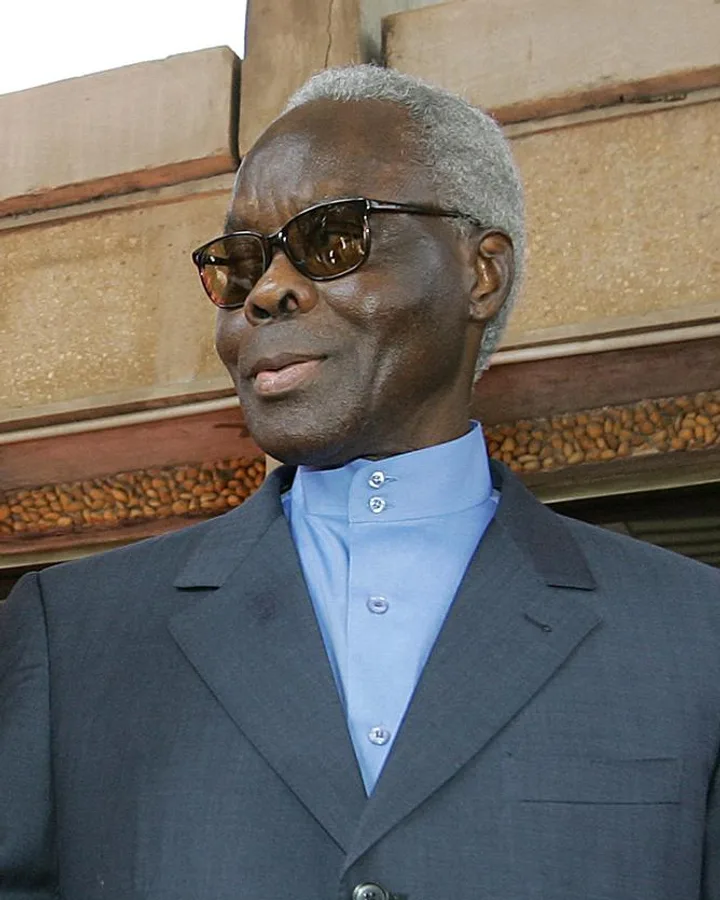
Mathieu Kérékou
The dictator who became a democrat — and accepted defeat at the ballot box.
KemetLeads Scorecard
How we score →Coup-era origins, but accepted the 1990 National Conference, conceded defeat in 1991, won power back at the ballot box and respected term limits in 2006.
P = percentile among the other African countries over the same years. Rows 1–4 are country-level change during the tenure — evidence, not proof.
Our read
The chameleon's redemption is measurable: the Marxist coup colonel of 1972 became the man who accepted Africa's first National Conference defeat in 1991 — and later left on time, twice.
Power 1996–2006
Left in 2006 at the 1990 constitution's two-term and age limits.
Sources: Archigos 4.1 (Goemans, Gleditsch & Chiozza) · Powell & Thyne coup data V2026.08.29 · term-limit conduct coded by KemetLeads
The rise
An army officer, Kérékou seized power in Benin (then Dahomey) in a 1972 coup and ran a Marxist-Leninist one-party state for nearly two decades.
What they did
Facing economic collapse and popular pressure, he convened a landmark 1990 national conference, legalized the opposition, and in 1991 became one of the first African leaders to peacefully hand over power after losing an election.
The full picture
His early rule was repressive and economically ruinous; yet he returned to win the presidency democratically in 1996 and 2006, again leaving office peacefully when his terms ended.
Why it matters
Kérékou's arc — from coup leader to twice-elected president who respected term limits — made Benin an unlikely model of democratic transition in West Africa.
“The branch will not break in the arms of the chameleon.”