 KemetLeads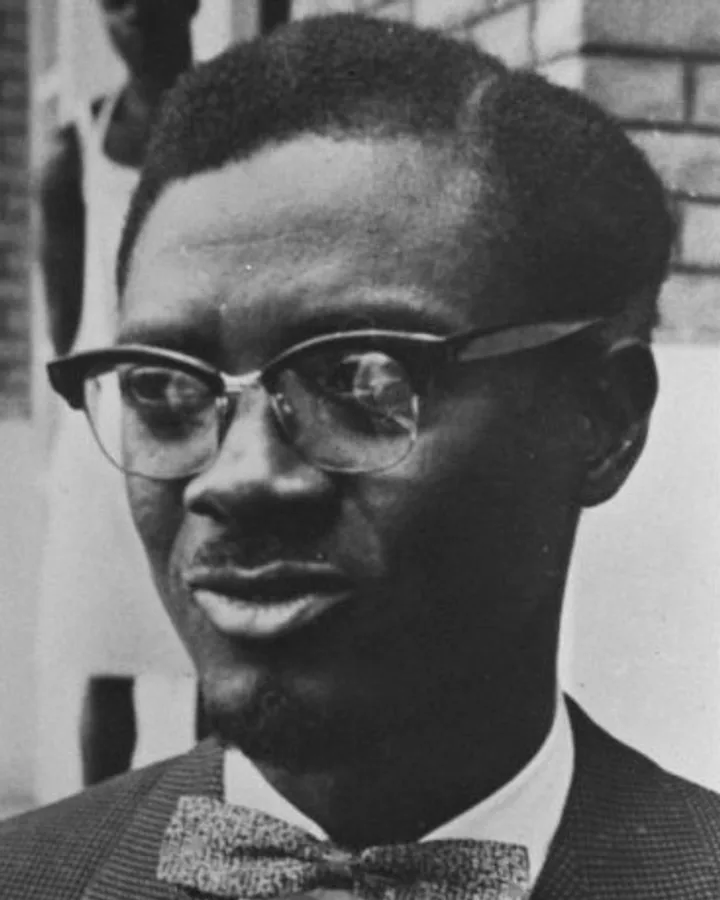
Patrice Lumumba
The martyr of African independence whose death haunts the continent's history.
KemetLeads Scorecard
How we score →In office barely ten weeks before being deposed and murdered; too brief to code fairly.
P = percentile among the other African countries over the same years. Rows 1–4 are country-level change during the tenure — evidence, not proof.
Our read
No score — ten weeks in office. Yet the questions his murder left open, about sovereignty and who decides Congo's fate, are the ones the living entries on this scorecard are still graded against.
Power 1960–1960
Ten weeks in office.
Sources: Archigos 4.1 (Goemans, Gleditsch & Chiozza) · Powell & Thyne coup data V2026.08.29 · term-limit conduct coded by KemetLeads
The rise
A fiery nationalist and orator, Lumumba led the movement that won Congo's independence from Belgium in 1960, becoming its first prime minister at just 34.
What they did
He demanded genuine sovereignty and dignity for Congolese people, famously confronting Belgium's king over colonial brutality on independence day itself.
The full picture
Within months his government was destabilized amid the Cold War and secessionist crises. He was deposed, captured, and assassinated in 1961 with the complicity of foreign powers — a wound still felt across Africa.
Why it matters
Lumumba became the enduring symbol of stolen African promise and the cost of foreign interference. His memory anchors debates on sovereignty to this day.
“The day will come when history will speak. […] Africa will write its own history and in both north and south it will be a history of glory and dignity.”