 KemetLeads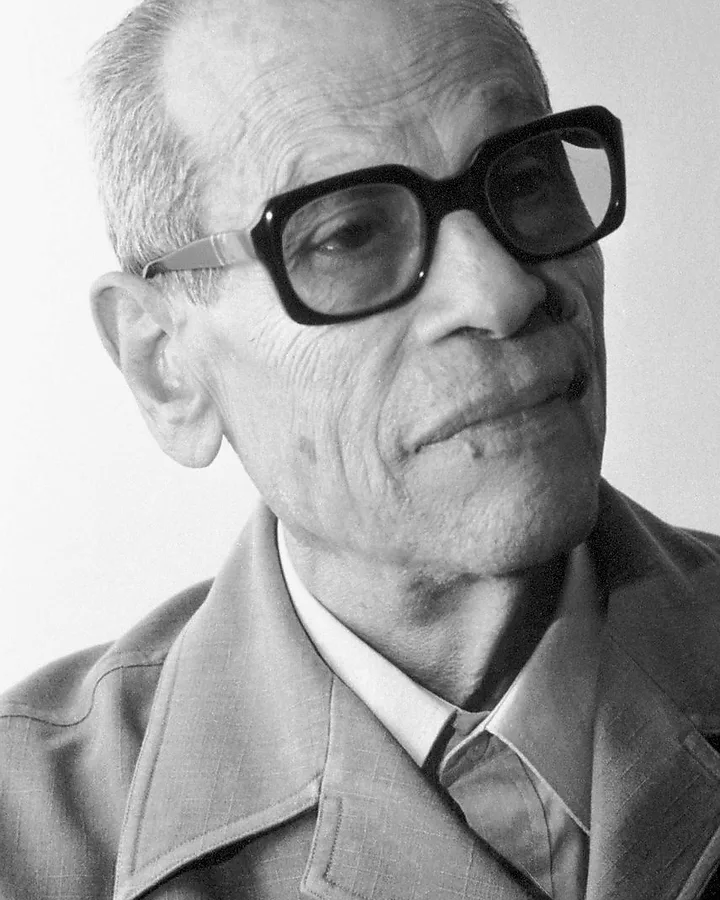
Naguib Mahfouz
The civil servant who wrote Cairo into world literature and paid for it with a knife to the neck.
The rise
Born in 1911 in Cairo's old quarter, Mahfouz studied philosophy at Cairo University and spent decades as a government bureaucrat while writing fiction before dawn, publishing his first novel in 1939.
What they did
Over a 70-year career he wrote 35 novels, including the Cairo Trilogy chronicling three generations of a Cairo family, and in 1988 became the first writer in Arabic to win the Nobel Prize in Literature.
The full picture
His 1959 novel "Children of Gebelawi," seen by some clerics as blasphemous for its allegory of God and the prophets, was banned in Egypt for decades and led an Islamist militant to stab him in the neck in 1994, leaving permanent nerve damage that curtailed his writing.
Why it matters
Mahfouz proved Arabic fiction could compete on the world stage, and his choice to keep writing after the attempt on his life made him a symbol of artistic defiance against religious censorship.
“You can tell whether a man is clever by his answers. You can tell whether a man is wise by his questions.”