 KemetLeads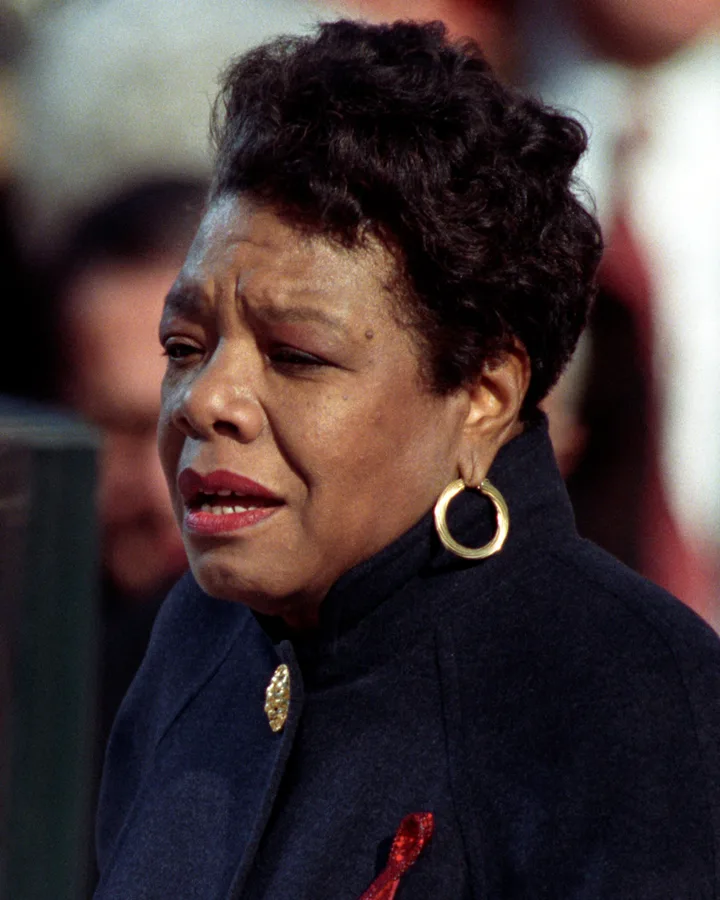
Maya Angelou
The girl who stopped speaking for five years and became the voice a nation asked to hear at its inaugurations.
The rise
Raised in segregated Stamps, Arkansas, by her grandmother, Marguerite Johnson was raped at eight by her mother's boyfriend and, after he was killed, fell mute for nearly five years. She became San Francisco's first Black woman streetcar conductor at sixteen, a single mother at seventeen, then a calypso singer, dancer on a European tour of Porgy and Bess, and a journalist in Cairo and Accra.
What they did
Back in the United States she organised for Martin Luther King Jr.'s SCLC and worked with Malcolm X before both were killed. I Know Why the Caged Bird Sings (1969) became the first of seven memoirs and a bestseller for two years; she read 'On the Pulse of Morning' at Bill Clinton's 1993 inauguration, the first poet to do so since Robert Frost, and received the Presidential Medal of Freedom in 2011.
The full picture
Her early years included work as a sex worker and madam, which she wrote about candidly, and her memoirs blend fact with reconstruction in ways scholars still debate. Caged Bird is among the most banned books in American schools, and critics have called her later poetry sentimental and her public persona too polished.
Why it matters
Angelou turned personal trauma into a public literature of survival, and gave Black American girlhood a canonical text where none had existed.
“You may not control all the events that happen to you, but you can decide not to be reduced by them.”