 KemetLeads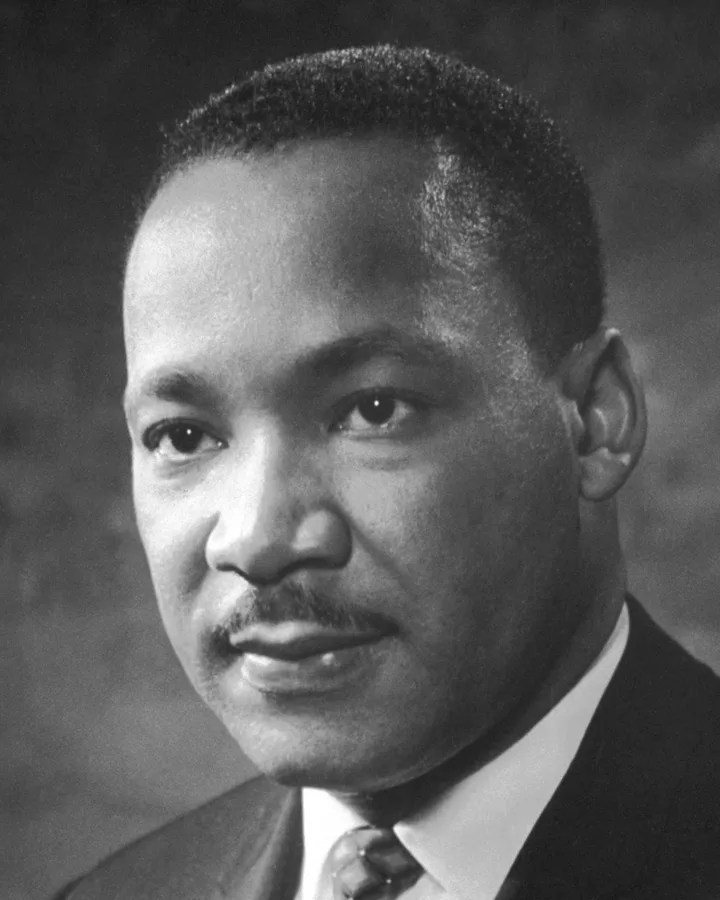
Martin Luther King Jr.
The preacher who armed a movement with nonviolence and made a nation confront its conscience.
The rise
A young pastor in Montgomery, Alabama, King rose to national prominence leading the 1955–56 bus boycott sparked by Rosa Parks, then co-founded the Southern Christian Leadership Conference to coordinate nonviolent protest across the South.
What they did
He led the campaigns in Birmingham and Selma, delivered the 'I Have a Dream' speech at the 1963 March on Washington, and helped push through the Civil Rights Act of 1964 and Voting Rights Act of 1965. He won the Nobel Peace Prize in 1964, the youngest laureate at the time.
The full picture
By his final years King faced FBI surveillance and harassment, and criticism from both segregationists and more militant activists who doubted nonviolence. He was assassinated in Memphis in 1968 while supporting striking sanitation workers.
Why it matters
King fused moral clarity, mass organizing and oratory into the template for peaceful resistance that movements worldwide still follow.
“The arc of the moral universe is long, but it bends toward justice.”