 KemetLeads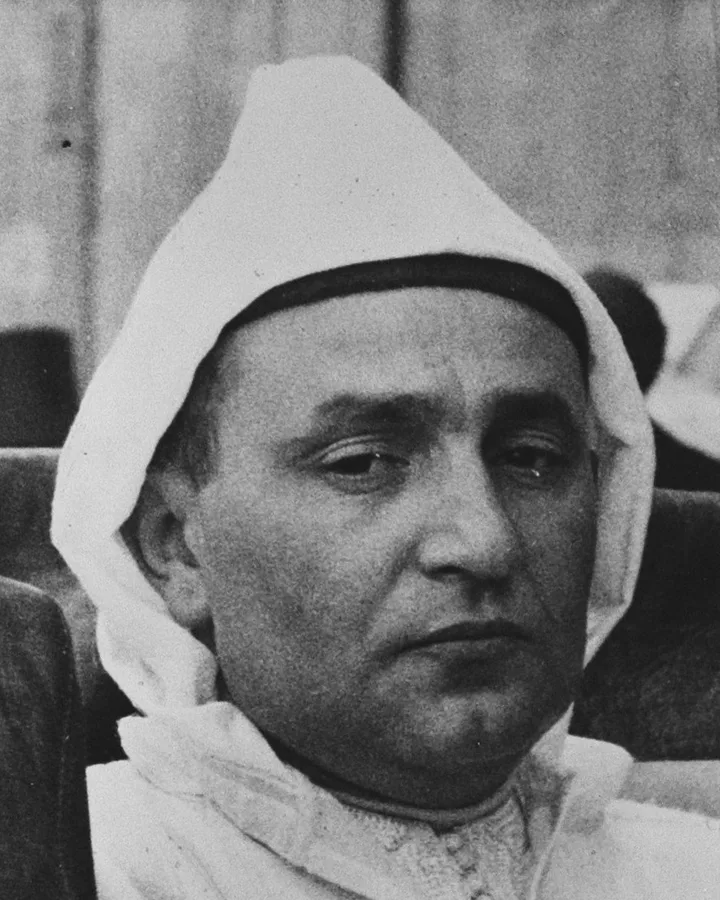
King Mohammed V
The sultan France exiled to Madagascar — and had to bring home to end its own protectorate.
Not scored — pre-constitutional ruler — profiled, not graded. How we score →
The rise
Chosen by the French in 1927 as an eighteen-year-old third son they expected to be pliant, Sidi Mohammed ben Youssef quietly aligned himself with the nationalist Istiqlal movement. In April 1947 his Tangier speech called for Morocco's independence and unity without once mentioning France, the first public demand of its kind from the throne.
What they did
Deposed and exiled to Corsica and then Madagascar in August 1953, he became the symbol of resistance; guerrilla attacks and urban unrest forced Paris to restore him in November 1955. He negotiated independence from France in March 1956 and from Spain in April, took the title of king in 1957 and founded the Royal Armed Forces and the first institutions of the modern state.
The full picture
The monarchy he rescued absorbed the nationalist movement rather than sharing power with it: no constitution was adopted in his lifetime, the Rif rising of 1958–59 was crushed by Crown Prince Hassan, and his court laid the foundations of the Makhzen's dominance. Claims that he 'saved Morocco's Jews' are debated; he resisted Vichy's statutes, but they were largely applied.
Why it matters
Mohammed V made the Moroccan throne the vehicle of independence rather than its casualty, a rarity in decolonisation, and the Alaouite dynasty still draws legitimacy from his exile. His portrait hangs everywhere for a reason: he showed that a king could be a nationalist.
“We have passed from the battle of the lesser jihad to that of the greater jihad.”