 KemetLeads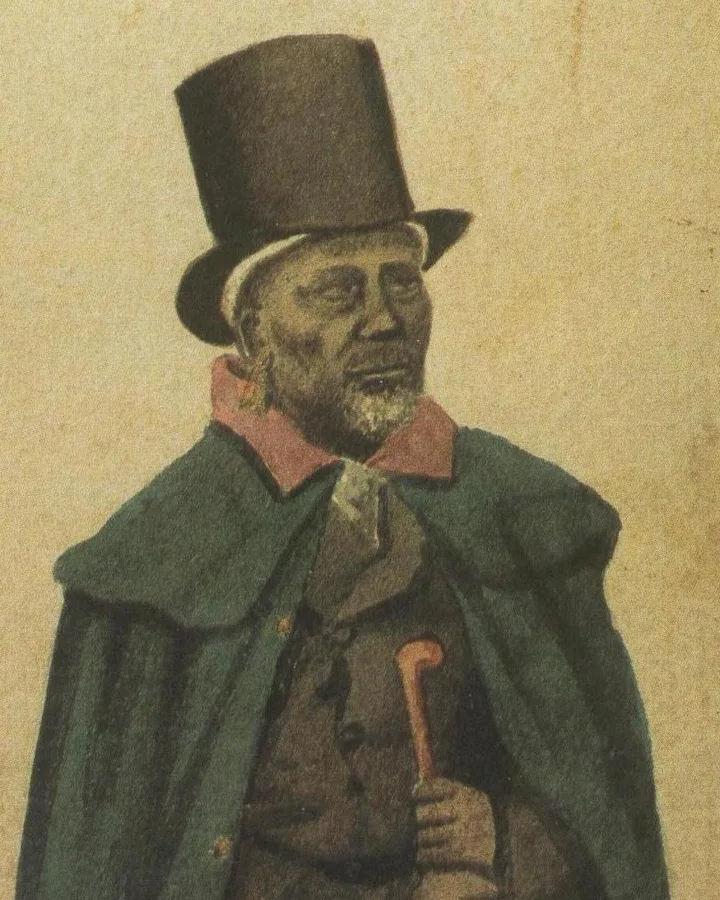
Moshoeshoe I
The diplomat-king who built a nation out of refugees and saved it less by the spear than by the word.
The rise
A minor chief's son near the Caledon River, he gathered scattered clans fleeing the upheavals of the Mfecane and, in 1824, occupied the natural fortress of Thaba Bosiu, the Mountain at Night.
What they did
Through consensus-building, generosity to defeated foes, and skilful diplomacy, he welded diverse lineages into a single Sotho identity, repelled Zulu, Ndebele and Boer incursions, and in 1868 secured British protection that preserved his people's land and eventually became modern Lesotho.
The full picture
His survival strategy meant ceding sovereignty to Britain and conceding fertile territory to Boer expansion, choices that kept the nation alive but at a real cost in land and independence. He also relied on European missionaries as advisers, a double-edged alliance that brought literacy and diplomacy but also cultural pressure.
Why it matters
He is a continental model of leadership through diplomacy rather than conquest, proof that nation-building can rest on inclusion and negotiation, and the reason a sovereign Lesotho exists at all.
“"Peace is like the rain which makes the grass grow; war is like the wind which dries it up."”