 KemetLeads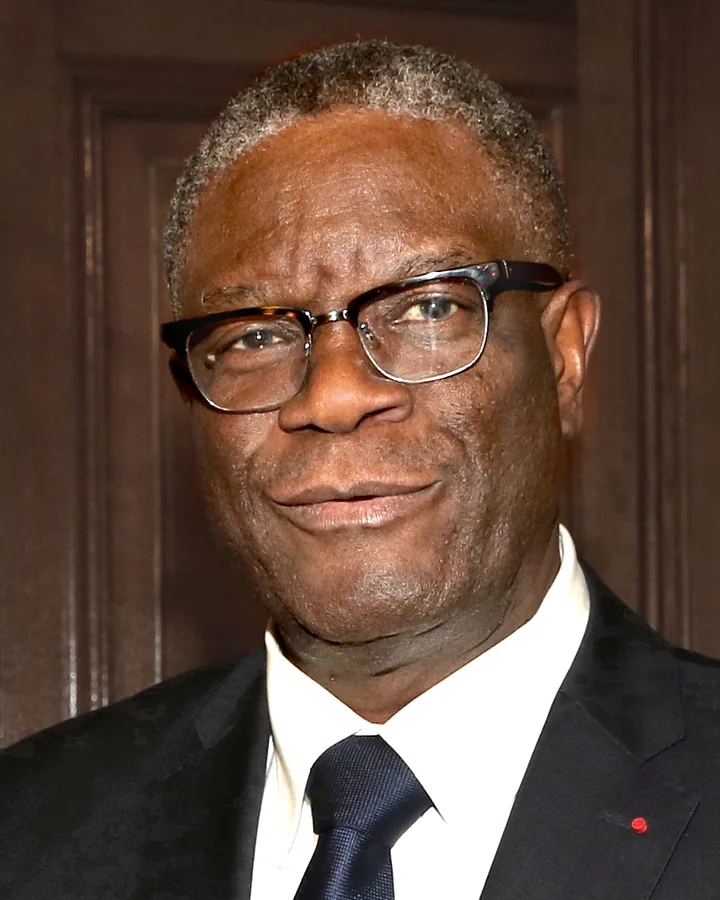
Denis Mukwege
The surgeon who repaired what war did to women, then told the world who was responsible.
The rise
Born in Bukavu in 1955, Mukwege trained in medicine in Burundi and France and returned to run the Lemera hospital, which was overrun and its patients killed in 1996 during the First Congo War. In 1999 he founded Panzi Hospital in Bukavu; his first patient had been raped and shot in the thighs and genitals.
What they did
Panzi has since treated tens of thousands of survivors of sexual violence, and Mukwege became the leading witness of rape as a weapon of war in eastern Congo. He survived an assassination attempt in October 2012, shared the 2018 Nobel Peace Prize with Nadia Murad, and has demanded an international tribunal for crimes documented in the UN's 2010 Mapping Report.
The full picture
His 2023 run for the presidency drew barely 40,000 votes and a sixth-place finish, a reminder that moral authority does not translate into political weight in Kinshasa. He lives under UN protection, his calls for justice provoke death threats from several capitals, and the violence he treats has worsened rather than ended.
Why it matters
Mukwege stands for a rare kind of leadership: naming the powerful, including his own government and its neighbours, from a hospital ward rather than a podium.
“It is not just perpetrators of violence who are responsible for their crimes, it is also those who choose to look the other way.”