 KemetLeads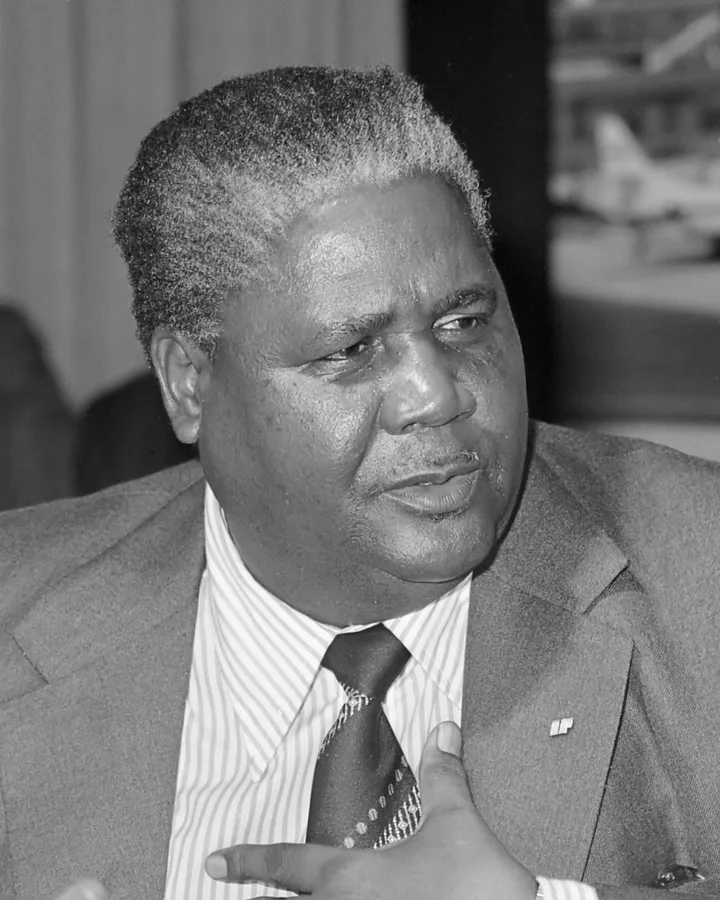
Joshua Nkomo
'Father Zimbabwe,' the elder statesman of the liberation struggle who won independence yet was eclipsed in the nation he helped create.
Not scored — never held executive office. How we score →
The rise
A trade unionist and trained social worker, Nkomo emerged in the 1950s as the senior figure of Rhodesian nationalism, founding ZAPU in 1961 and leading the long campaign, in exile and armed struggle, against white-minority rule.
What they did
He was the towering early symbol of the freedom struggle whose ZIPRA forces and international diplomacy helped force the Lancaster House settlement and Zimbabwe's independence in 1980.
The full picture
Sidelined by Robert Mugabe after independence, Nkomo and his Ndebele power base became the target of the Gukurahundi atrocities of the 1980s, in which the army's Fifth Brigade killed an estimated 20,000 civilians; fearing for his life he fled abroad, then in 1987 accepted the Unity Accord that absorbed ZAPU into ZANU-PF, a peace that critics call a capitulation that entrenched one-party dominance.
Why it matters
Nkomo personifies the leader who wins liberation but loses the peace; his fate exposes how ethnic politics and one-party consolidation can devour a founding generation, and why Zimbabwe still wrestles with the unhealed wound of Gukurahundi.
“The hardest lesson of my life has come to me late. It is that a nation can win freedom without its people becoming free.”