 KemetLeads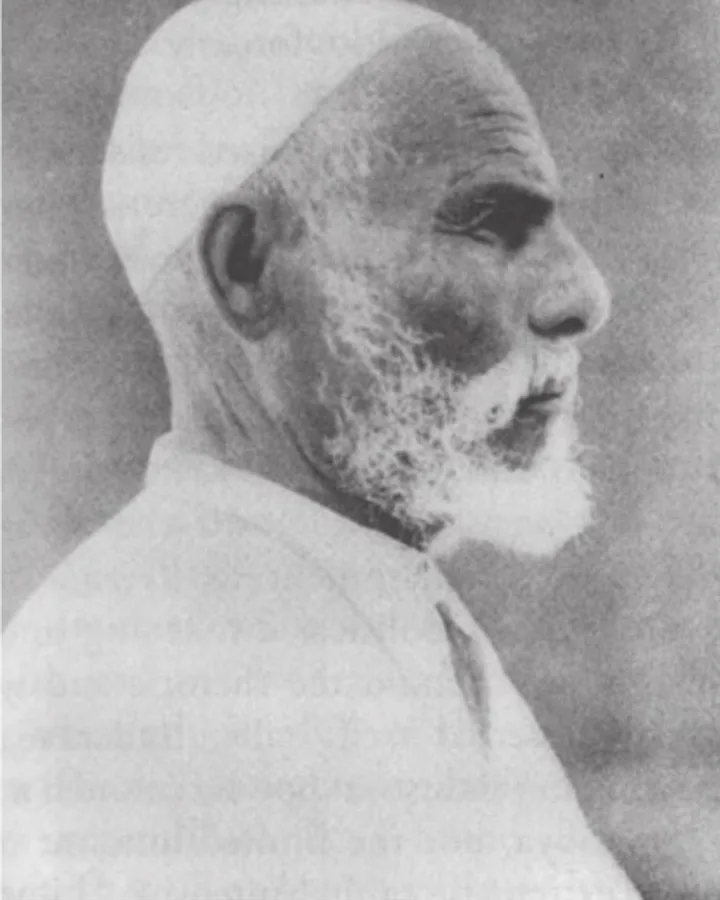
Omar Mukhtar
The Quran teacher who led a desert guerrilla against Fascist Italy into his seventies, and was hanged for it before 20,000 prisoners.
Not scored — never held executive office. How we score →
The rise
Born in 1858 near Tobruk, Mukhtar was a Senussi teacher who ran zawiya schools in the Green Mountain and had already fought Italy's invasion in 1911. When Mussolini's regime tore up its accords with the Senussi in 1923, the sixty-five-year-old took command of the resistance in Cyrenaica.
What they did
For eight years his few hundred mounted fighters ambushed, dispersed and outmanoeuvred a modern army, tying down tens of thousands of Italian troops. He refused offers of exile and pension, and only Graziani's 1931 campaign of concentration camps, a barbed-wire border fence and mass executions broke his supply lines.
The full picture
Wounded and captured on 11 September 1931, he was tried in a day and hanged at Soluch on 16 September before assembled camp inmates. The resistance collapsed with him; roughly 100,000 Cyrenaicans had been herded into camps where tens of thousands died. His image was later co-opted by Gaddafi, and much of his popular legend comes from a 1981 film.
Why it matters
Mukhtar is the model of the elder who does not step aside: a man of learning who chose the hardest fight late in life and made colonial Italy pay a moral price it never recovered from.
“I never submitted to the Italian government: I only had conversations with it.”