 KemetLeads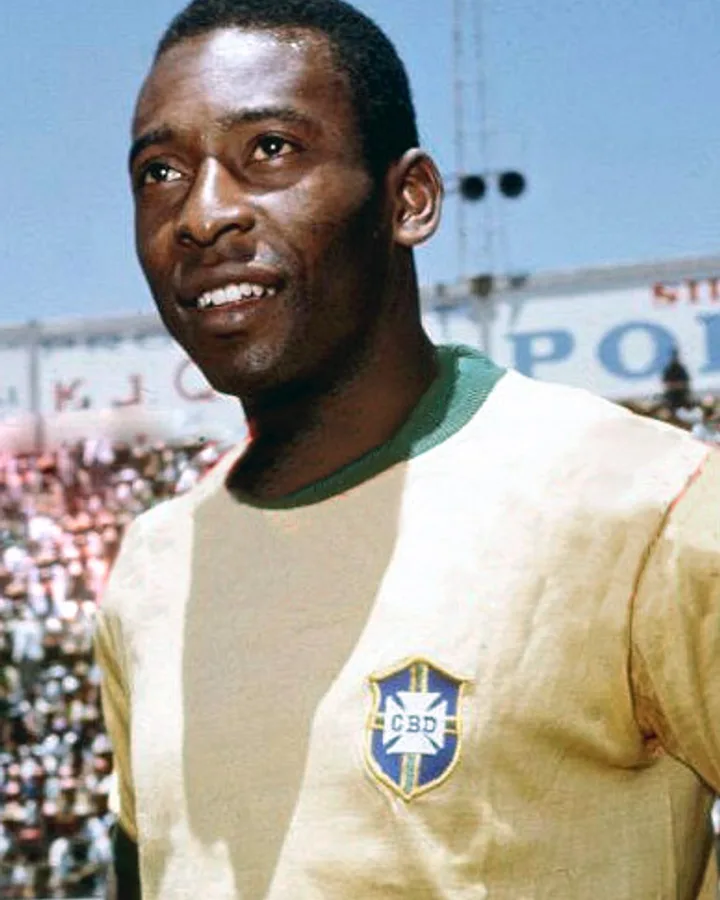
Pelé
The shoeshine boy from Bauru who made a nation of 200 million believe it was the best in the world.
The rise
Edson Arantes do Nascimento grew up poor in Bauru, São Paulo, practising with a sock stuffed with newspaper and shining shoes for pocket money. Signed by Santos at fifteen, he was the league's top scorer at sixteen and, at seventeen, scored twice in the 1958 World Cup final in Sweden, weeping on his teammates' shoulders.
What they did
He won the World Cup in 1958, 1962 and 1970, the only player ever to do so, and scored 77 goals in 92 matches for Brazil. With Santos he lifted two Intercontinental Cups and a thousand-plus career goals by his own count; his 1975 move to the New York Cosmos planted professional football in the United States.
The full picture
Pelé was a cautious public figure who declined to confront Brazil's military dictatorship or racism openly, drawing criticism from contemporaries who wanted a Muhammad Ali. His business ventures collapsed, his goal tally is disputed, and his paternity of a daughter he long refused to recognise was confirmed by DNA and by a court.
Why it matters
He was the first global Black sporting superstar, proof to the post-colonial world that genius could come from a Brazilian slum, and the template every football icon since has been measured against.
“I dedicate this goal to the poor children of Brazil. We have to look after them.”