 KemetLeads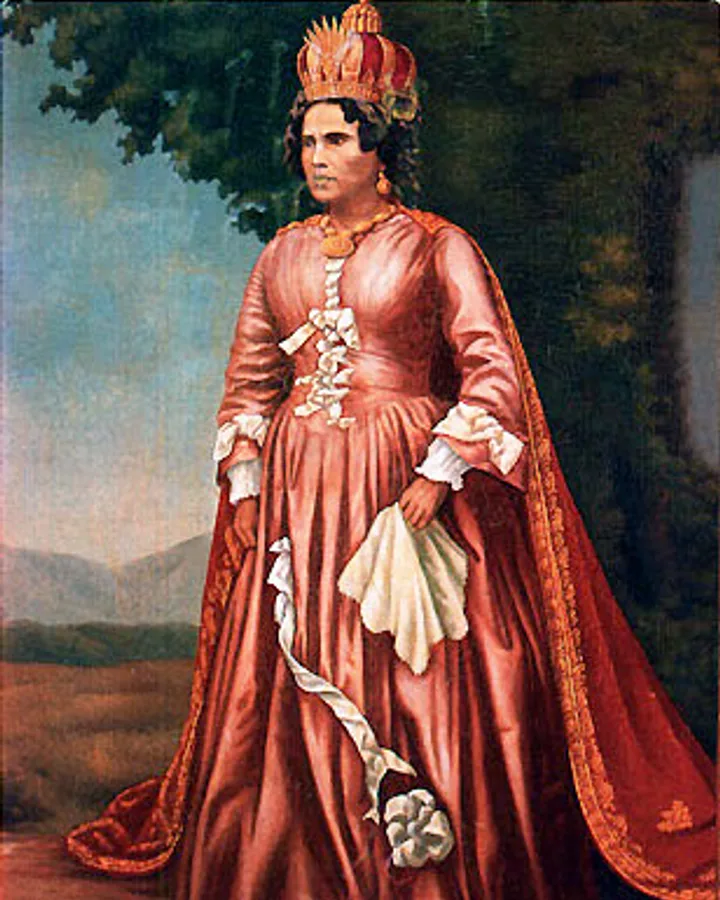
Queen Ranavalona I
The queen who shut the door on Europe for thirty-three years — and kept it shut with poison ordeals.
The rise
Born Rabodoandrianampoinimerina around 1778, she was adopted into the royal family and married to Radama I. When he died in 1828 she seized the throne with the backing of army officers, had the designated heirs executed, and became the first female sovereign of the Merina kingdom that ruled most of the island.
What they did
She repelled a French naval assault in 1829 and a joint Franco-British attack on Tamatave in 1845, revoked treaties with Britain, expelled the missionaries and, with the shipwrecked Frenchman Jean Laborde, built forges, a cannon foundry and a small industrial base at Mantasoa. Madagascar stayed independent throughout her reign.
The full picture
Her rule rested on the tangena poison ordeal, forced labour and wars of conquest; Christians were speared or thrown from cliffs, and some estimates put the population losses of her reign in the hundreds of thousands. A 1857 plot involving Laborde and her son Radama II ended in expulsions. The 'mad queen' of European accounts is partly colonial propaganda, but the death toll is real.
Why it matters
Ranavalona is the hardest case in the anti-colonial pantheon: sovereignty defended at a horrific human cost. Malagasy nationalists reclaim her as a bulwark against conquest, which came anyway in 1896, and her reign forces the question of what independence is worth when it is paid for with the lives of one's own people.
“I will not change the customs and rites of our ancestors.”