 KemetLeads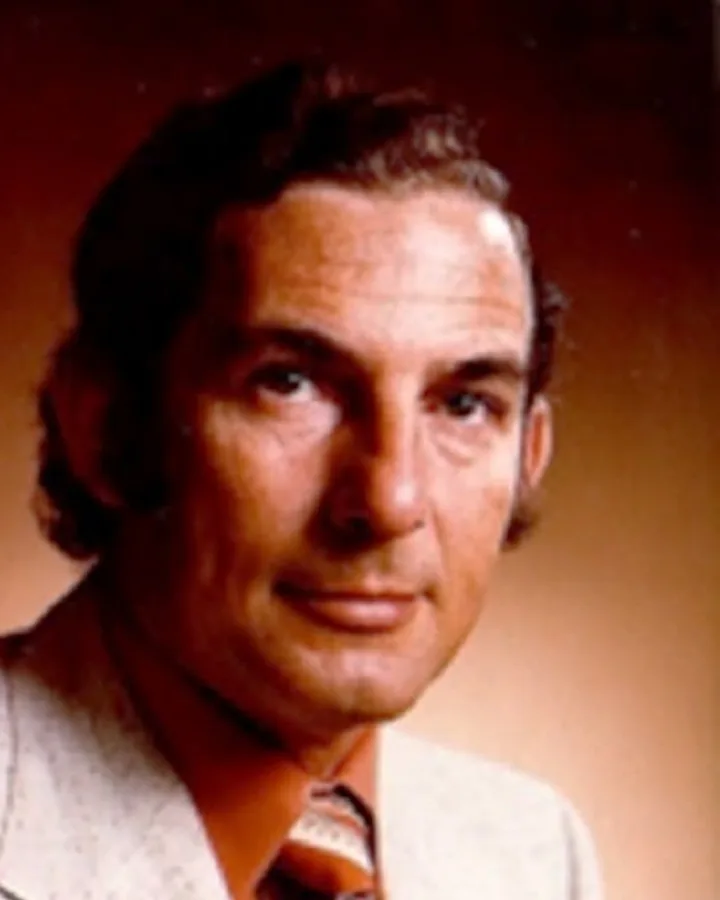
France-Albert René
The London-trained lawyer who seized Seychelles in a bloodless coup and ruled it for 27 years.
KemetLeads Scorecard
How we score →Took power by coup in 1977 and ran a one-party state until 1991; accepted multiparty elections from 1993 and retired voluntarily in 2004; strong social gains beside exile and repression.
P = percentile among the other African countries over the same years. Rows 1–4 are country-level change during the tenure — evidence, not proof.
Our read
A coup, then a one-party state, then the rare voluntary retirement. Rule of law at P92 and democracy at P66 over 1977–2004 reflect the second half; GDP up 150% reflects tourism more than policy. Exile and repression keep the conduct score at 2.5.
Power 1977–2004
Three-term limit in the 1993 constitution; resigned in 2004 after his third.
Sources: Archigos 4.1 (Goemans, Gleditsch & Chiozza) · Powell & Thyne coup data V2026.08.29 · term-limit conduct coded by KemetLeads
The rise
Born in 1935 and trained as a lawyer in London, René became Seychelles' first prime minister at independence in 1976, then ousted President James Mancham in a bloodless coup in 1977 while Mancham was abroad at a Commonwealth summit.
What they did
Over 27 years he built a one-party socialist state, expanded education, housing and healthcare, and grew tourism into the backbone of the economy, before bowing to pressure and restoring multiparty democracy in 1993.
The full picture
His rule leaned on a feared security apparatus that jailed or exiled opponents, and survived several coup attempts, including a notorious 1981 mercenary invasion by Mike Hoare's men; he stayed in office until retiring voluntarily in 2004.
Why it matters
René's Seychelles shows both faces of Cold War-era one-man rule: genuine gains in welfare and stability, bought with three decades of suppressed opposition.