 KemetLeads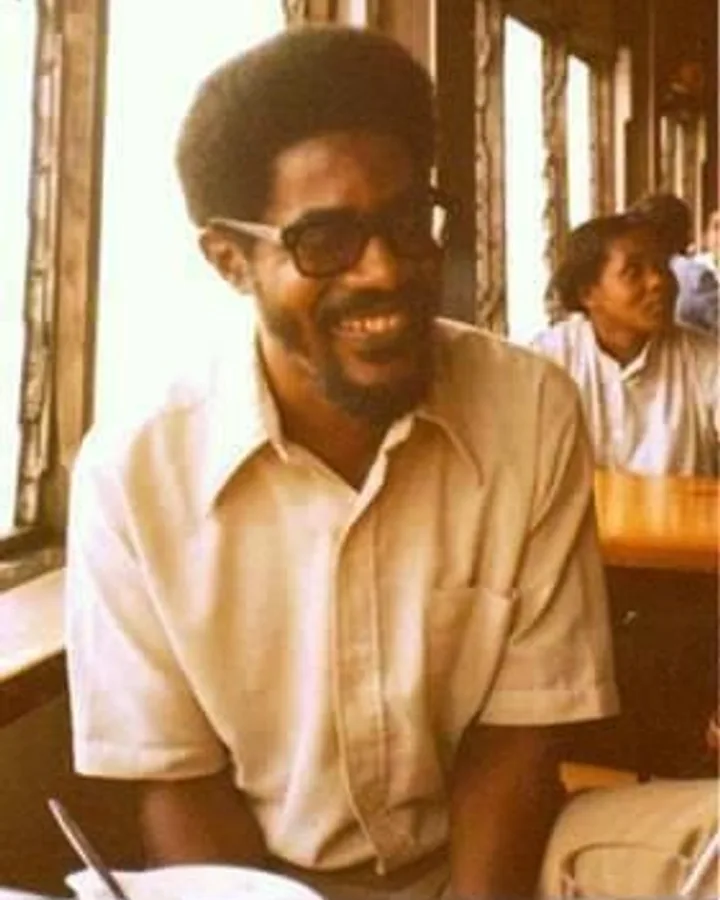
Walter Rodney
The historian who put Europe in the dock and paid with his life.
The rise
A Georgetown scholarship boy, Rodney took a first at the University of the West Indies and a PhD at London's SOAS at 24, with a thesis on the Upper Guinea coast slave trade. Teaching in Dar es Salaam and then Jamaica, he 'grounded' with Rastafari and the urban poor until Jamaica banned him in 1968, triggering the Rodney Riots.
What they did
How Europe Underdeveloped Africa (1972) argued that Africa's poverty was manufactured by the slave trade and colonial extraction, and became a foundational text of dependency theory and Pan-African thought. Back in Guyana in 1974, he co-founded the Working People's Alliance to unite Afro- and Indo-Guyanese workers against Forbes Burnham's regime.
The full picture
On 13 June 1980 a bomb hidden in a walkie-talkie killed him in Georgetown; a 2016 commission of inquiry found the Burnham government complicit, a finding the ruling party then rejected. Critics contend his underdevelopment thesis understated African agency and internal causes, and his hopes for a Guyanese class alliance never outlived him.
Why it matters
Rodney fused rigorous scholarship with street organising, and his central claim, that today's inequality has a history someone chose, still frames debates on reparations, aid and the global economy.
“The only great men among the unfree and the oppressed are those who struggle to destroy the oppressor.”