 KemetLeads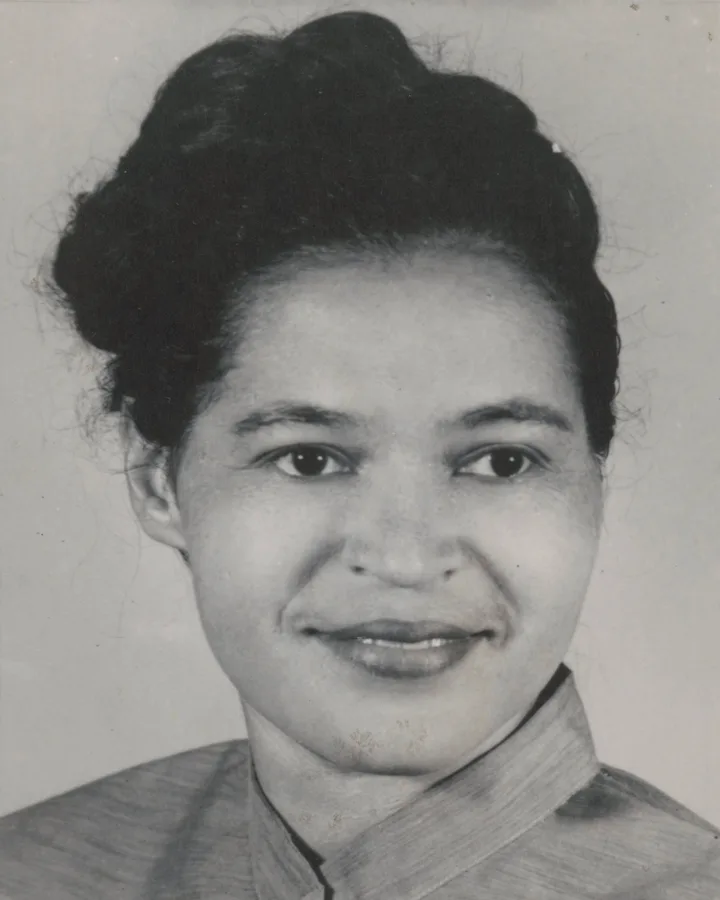
Rosa Parks
Civil rights activist; 'mother of the movement'
The seamstress whose quiet refusal to stand up set a nation in motion.
The rise
A longtime NAACP activist in Montgomery, Alabama, Parks was already trained in organizing when, in December 1955, she refused to give up her bus seat to a white passenger and was arrested.
What they did
Her arrest sparked the 381-day Montgomery Bus Boycott, launched Martin Luther King Jr. onto the national stage, and led to a Supreme Court ruling against bus segregation — a foundational victory of the movement.
The full picture
The image of a tired seamstress obscured her years of deliberate activism, and she and her husband faced job loss and threats, later moving to Detroit to rebuild their lives.
Why it matters
Parks showed how one disciplined act of dignity, backed by organization, can ignite mass change.
“I had decided that I would have to know once and for all what rights I had as a human being and a citizen, even in Montgomery, Alabama.”