 KemetLeads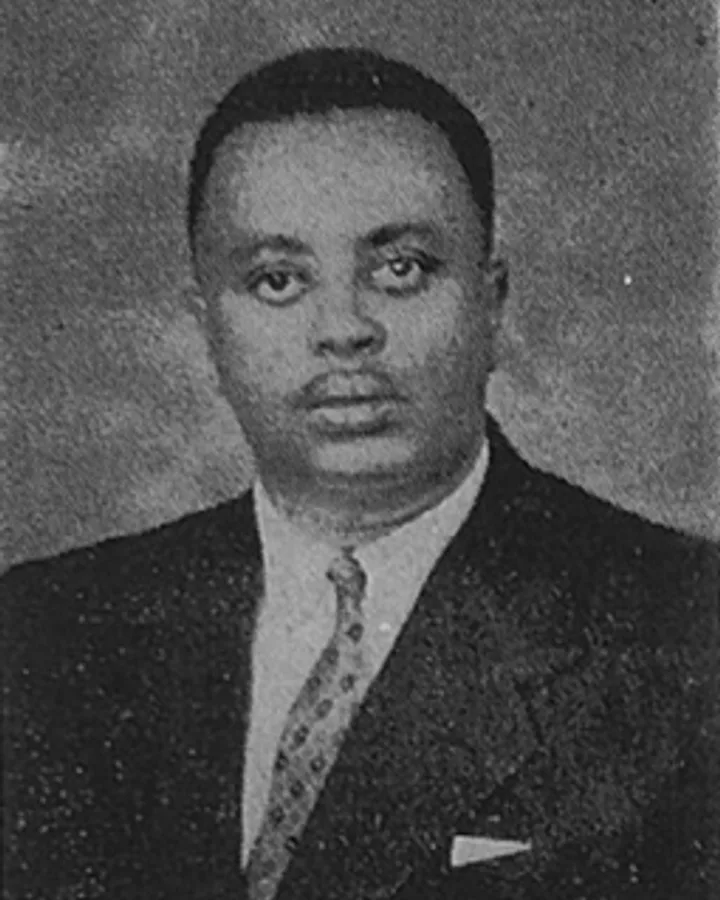
Prince Louis Rwagasore
The prince who won independence in a landslide and was shot dead within two weeks.
Not scored — tenure under three months — not assessable. How we score →
The rise
Eldest son of Mwami Mwambutsa IV, Rwagasore studied in Belgium and returned in 1956 to organise cooperatives and, from 1958, the Union pour le Progrès National (UPRONA). Belgian authorities, wary of his nationalism, tried to sideline him; he answered by campaigning on unity, marrying across the Hutu–Tutsi line and forging a genuine mass party.
What they did
On 18 September 1961 UPRONA took 58 of 64 seats in the legislative elections and Rwagasore became prime minister with a mandate to lead Burundi to independence. He preached a nation 'neither Hutu nor Tutsi' and a pan-African, non-tribal politics. On 13 October 1961 he was assassinated at a Bujumbura hotel by a Greek gunman hired by leaders of the rival PDC.
The full picture
He governed for fifteen days, so his record is promise rather than proof, and the extent of Belgian complicity in his murder is still argued over by historians. His death removed the one figure both communities trusted; the independence that came in July 1962 opened onto decades of coups and massacres that his unifying vision never got the chance to prevent.
Why it matters
Rwagasore stands as the road not taken in the Great Lakes: a leader who saw ethnic politics as a colonial trap long before it turned genocidal. Burundi still marks his death with a national holiday, and his name is invoked whenever the country tries again to imagine itself as one people.
“Never will we say to the people: elect this Tutsi because he is Tutsi, or elect this Hutu because he is Hutu!”