 KemetLeads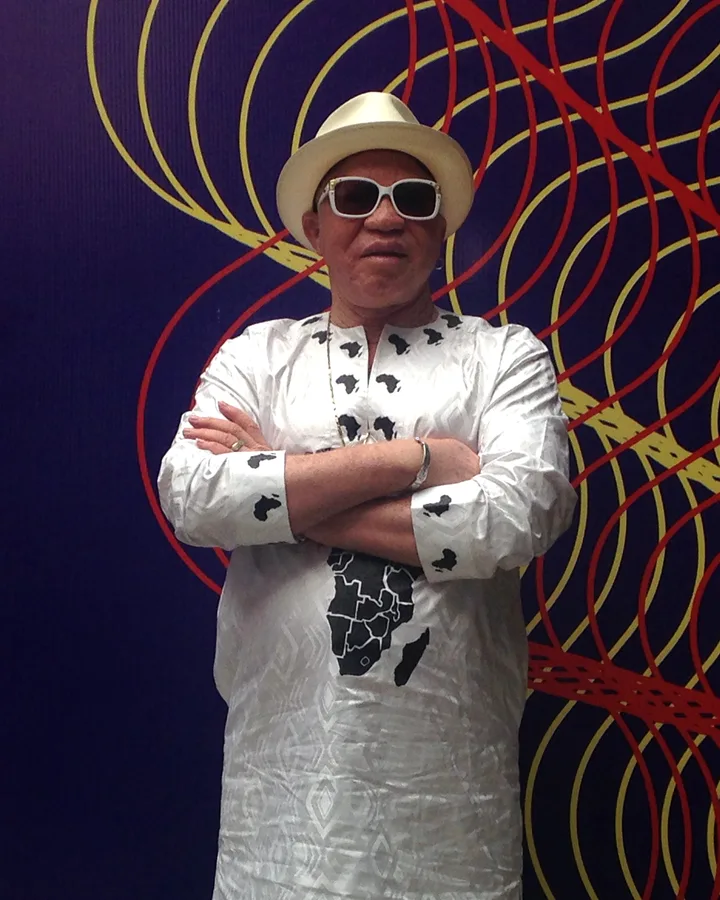
Salif Keïta
A prince born albino and cast out for it, who turned exile and stigma into one of Africa's most luminous voices.
The rise
A direct descendant of Sundiata Keïta, founder of the Mali Empire, he was ostracised for his albinism and disowned for daring to become a musician — a trade beneath his royal caste. He found his footing in Bamako's Rail Band and then Les Ambassadeurs in the 1970s.
What they did
He fused Mandé tradition with jazz, funk, and pop on landmark albums like Soro (1987), bringing Malian music to global stages, and used his fame to campaign for the rights and safety of people with albinism across Africa.
The full picture
His embrace of Western studio production and international stardom drew accusations from purists of diluting Mandé heritage, and his later venture into Malian politics proved short-lived and divisive. His albinism advocacy, while heartfelt, could not stem the ongoing violence against albinos in the region.
Why it matters
He turned a body marked for exclusion into a symbol of dignity, and showed how rooted African tradition could conquer the world stage without erasing itself — a model for cultural pride and global reach alike.
“"I sing for those who have no voice. My albinism is not a curse; it is my strength."”