 KemetLeads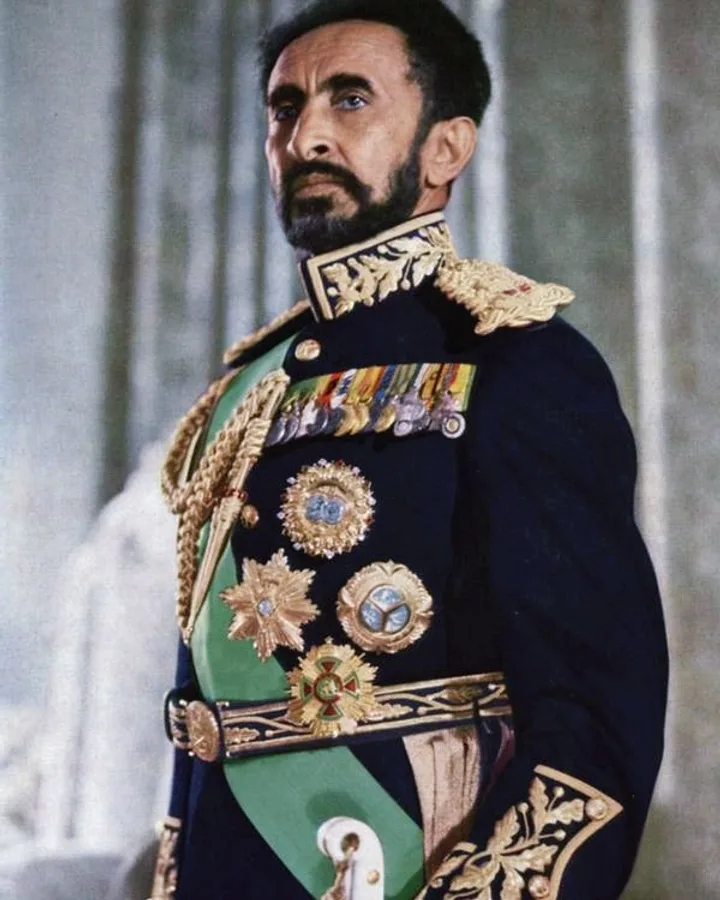
Haile Selassie
The emperor who symbolized African dignity and independence to the world.
Not scored — pre-constitutional ruler — profiled, not graded. How we score →
The rise
Crowned emperor in 1930, Haile Selassie modernized Ethiopia's institutions and projected the image of an ancient, uncolonized African civilization onto the world stage.
What they did
His defiant 1936 appeal to the League of Nations against Italian invasion made him a global symbol of resistance to fascism. He helped found the OAU and made Addis Ababa the diplomatic capital of Africa.
The full picture
At home his rule was autocratic and slow to reform; famine and inequality fueled discontent. He was deposed in a 1974 Marxist revolution and died in custody. He remains a messianic figure in the Rastafari faith.
Why it matters
Selassie embodied African sovereignty and pan-African diplomacy — while his fall warned that prestige abroad cannot substitute for reform at home.
“Our liberty is meaningless unless all Africans are free.”