 KemetLeads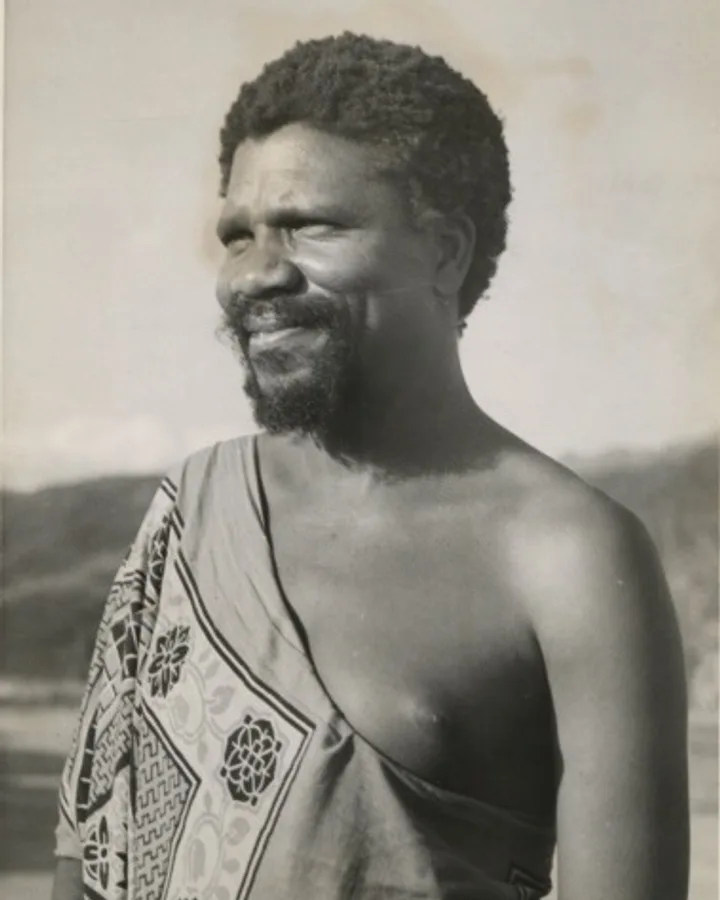
King Sobhuza II
Crowned at four months old, he reigned 82 years and ended his kingdom's democracy with a single decree.
Not scored — pre-constitutional ruler — profiled, not graded. How we score →
The rise
Named king in December 1899 on the death of his father Bhunu, Sobhuza grew up under the regency of his grandmother Labotsibeni, studied at Lovedale and was installed in 1921. He spent his first decades fighting the 1907 partition that had handed two-thirds of Swaziland to white settlers, petitioning George V in London in 1922 and losing before the Privy Council in 1926.
What they did
Through the Lifa Fund levy on cattle he bought land back for the nation, and by independence on 6 September 1968 the crown held much of the country's soil and minerals in trust. He outmanoeuvred both British planners and the modern parties, his Imbokodvo movement winning every seat in 1967, and kept Swazi custom, the incwala ceremony and chiefly rule at the heart of the new state.
The full picture
On 12 April 1973 he repealed the constitution, banned parties and assumed all legislative, executive and judicial power, a decree that still governs Eswatini's politics half a century later. Some 70 wives and 210 children tied the royal house to every clan but concentrated wealth within it; prosperity for the monarchy went with rising inequality for its subjects.
Why it matters
Sobhuza set the template for Africa's last absolute monarchy and for the argument, still made by his son Mswati III, that tradition outranks ballots; the 2021 pro-democracy protests were crushed under the legal order he built. He also holds the longest verifiable reign of any monarch in recorded history.
“I have assumed supreme power in the Kingdom of Swaziland and … all Legislative, Executive and Judicial power is vested in myself.”