 KemetLeads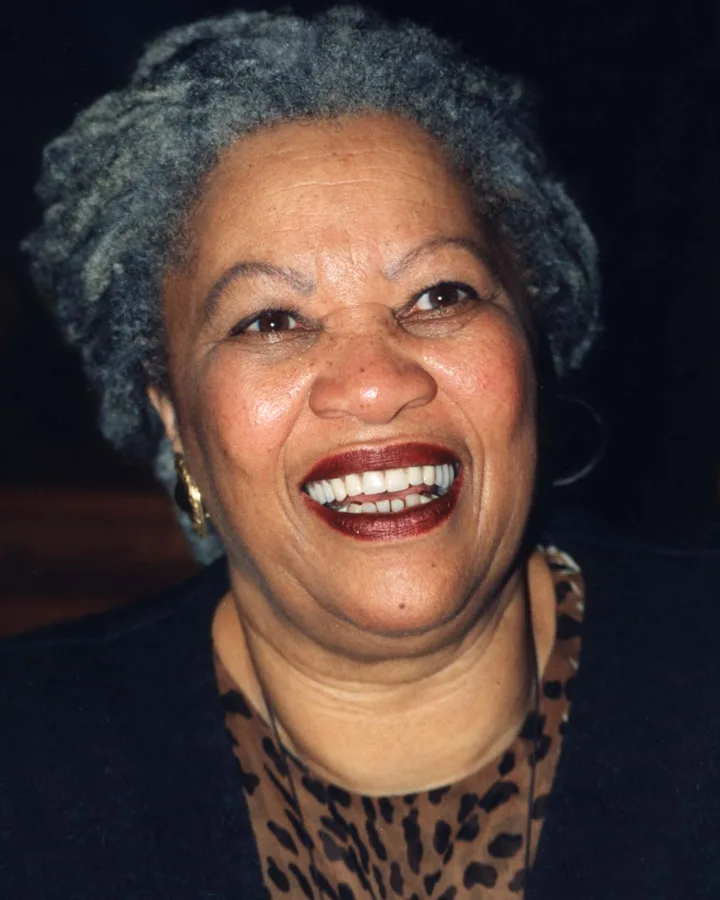
Toni Morrison
The editor who wrote the books she could not find, and won the Nobel for them.
The rise
Born Chloe Wofford in Lorain, Ohio, to a welder and a domestic worker, she studied at Howard and Cornell, taught, and in 1965 became one of the first Black women editors at Random House, where she championed Toni Cade Bambara, Gayl Jones and Muhammad Ali's autobiography. She wrote her first novel, The Bluest Eye (1970), before dawn while raising two sons alone.
What they did
Song of Solomon (1977) won the National Book Critics Circle Award; Beloved (1987), built on the true story of Margaret Garner, won the Pulitzer and was named the best American novel of the previous 25 years by the New York Times in 2006. In 1993 she became the first Black woman to win the Nobel Prize in Literature, and she taught at Princeton for seventeen years.
The full picture
Beloved's Pulitzer followed a public letter from 48 Black writers protesting her National Book Award loss, which critics called literary lobbying. Her later novels drew mixed reviews, her insistence on writing for a Black audience without translation was called exclusionary by some, and her eleven books were a frequent target of school-board bans.
Why it matters
Morrison shifted the centre of American literature by refusing to explain Black life to a white reader, and by proving the refusal could win every prize the culture had.
“If you find a book you really want to read but it hasn't been written yet, then you must write it.”