 KemetLeads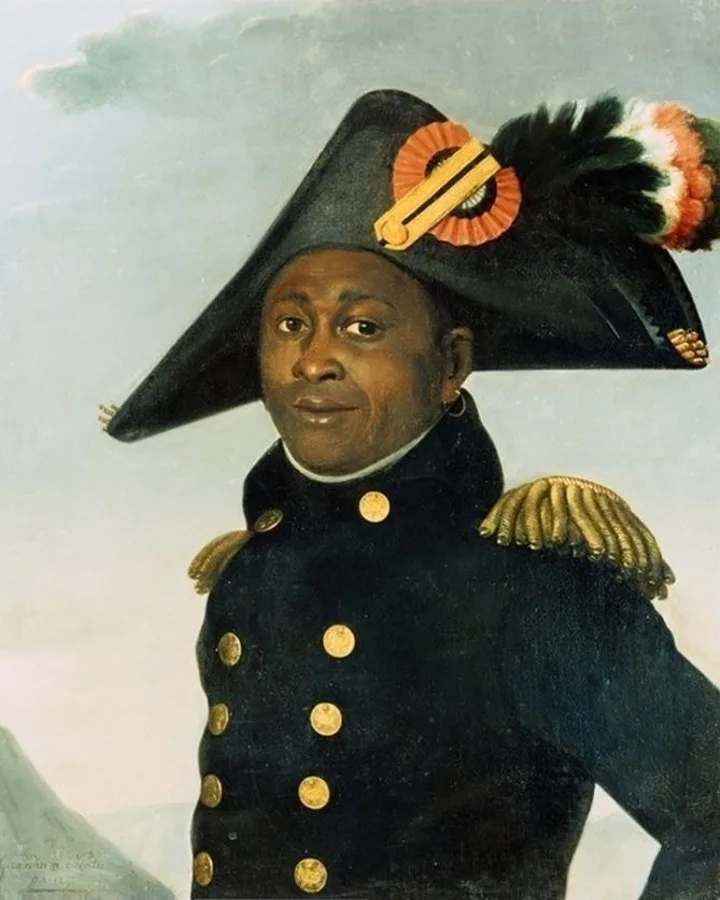
Toussaint Louverture
The former slave who out-generalled three empires and wrote a constitution abolishing slavery, before France carried him off to die in the cold.
The rise
Born enslaved on the Bréda plantation near Cap-Français around 1743, Toussaint was freed in his thirties, owned land and at least one slave himself, and joined the 1791 uprising late, first as a physician to the rebels. He built a disciplined army, switched from Spain to France when Paris abolished slavery in 1794, and drove out the British by 1798.
What they did
By 1801 he governed the whole island, had crushed his rivals and promulgated a constitution declaring that slavery could never exist in Saint-Domingue and naming himself governor for life. He restored the plantation economy with paid, compelled labour, negotiated trade with Britain and the United States, and forced Napoleon to send 20,000 men to remove him.
The full picture
He was an autocrat who kept the whip's shadow over the fields, tolerated no rivals and clung to the French flag long after Paris had turned on him. Tricked into arrest in June 1802, he was shipped to Fort de Joux in the Jura and died there of cold and neglect on 7 April 1803, months before the independence he had made inevitable.
Why it matters
Louverture proved that enslaved Africans could defeat Europe's best armies and govern; every later liberation movement in the Atlantic world worked in the space he opened.
“In overthrowing me, you have cut down in Saint-Domingue only the trunk of the tree of liberty; it will spring up again from the roots, for they are numerous and deep.”