 KemetLeads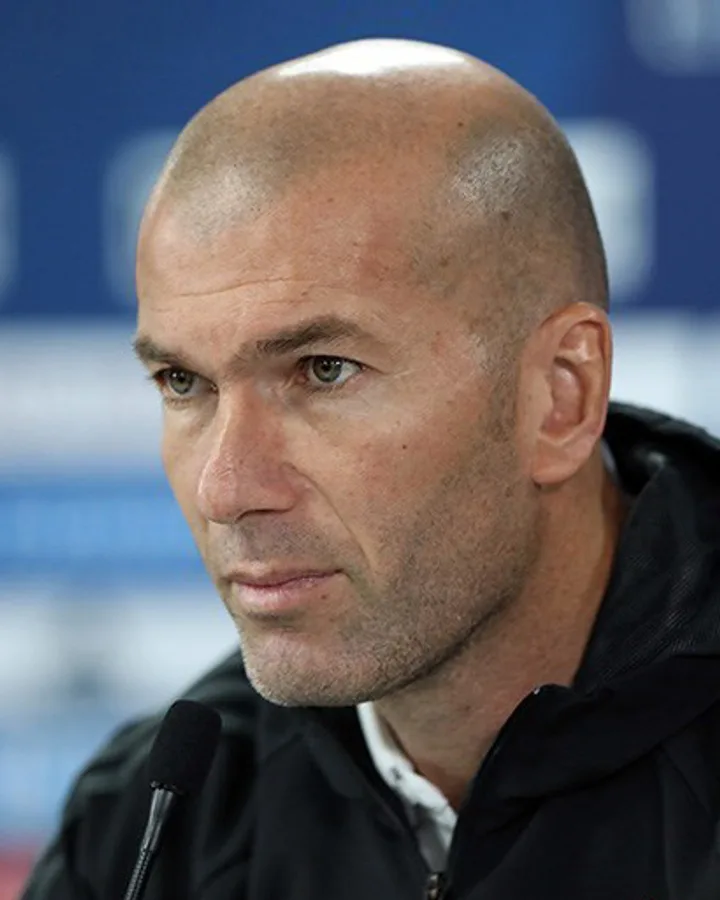
Zinedine Zidane
The son of Kabyle immigrants whose two headers made France believe in itself.
The rise
Born in the La Castellane housing estate of northern Marseille to Algerian Kabyle parents, Zidane learned the game on concrete and was spotted by Cannes at fourteen. He moved to Bordeaux, then Juventus in 1996, where two Serie A titles and a Ballon d'Or in 1998 established him as the finest playmaker of his generation.
What they did
His two headed goals in the 1998 World Cup final beat Brazil 3–0 and turned a multiracial 'black-blanc-beur' team into a national symbol; he added Euro 2000 and, at Real Madrid after a then-record transfer, the 2002 Champions League with a volley in the final. As Madrid's coach he won three consecutive Champions Leagues from 2016 to 2018, a feat no other manager has achieved.
The full picture
His playing career ended with a red card for headbutting Marco Materazzi in the 2006 World Cup final, and he had collected a dozen other red cards along the way. He was never convicted of anything, but a 2006 tax case in Spain ended in a settlement, and his silence on politics, including the far right's use of the 1998 team, disappointed those who wanted a louder voice from the banlieues.
Why it matters
Zidane remains the most potent symbol France has of what the children of North African immigrants can give the republic, and a reminder of how conditional that embrace can be.
“It was my father who taught us that an immigrant must work twice as hard as anybody else, that he must never give up.”