 KemetLeads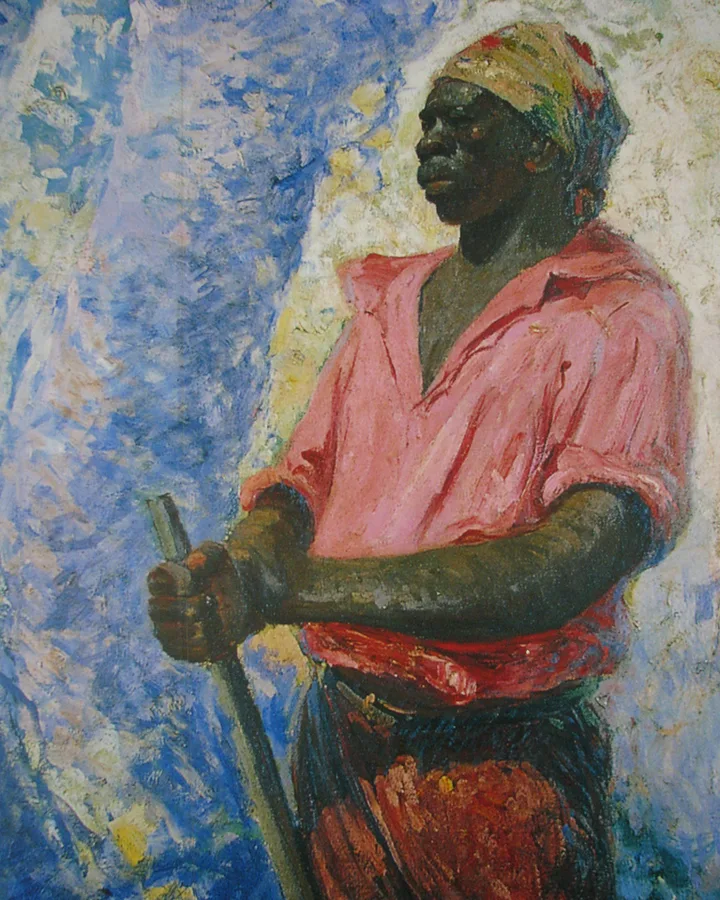
Zumbi dos Palmares
The warrior king of a free Black republic that outlasted a century of Portuguese sieges.
The rise
Born free in Palmares, the vast maroon confederation in the hills of present-day Alagoas, Zumbi was captured as an infant by a Portuguese raid and raised by a priest who taught him Portuguese and Latin. He escaped back to Palmares at about fifteen and rose as a military commander famed for repelling colonial expeditions.
What they did
When King Ganga Zumba accepted a 1678 peace treaty with Pernambuco that would have returned fugitives, Zumbi rejected it, took power and led Palmares in continued resistance. For nearly two decades he defended a polity of many thousands of people until the bandeirante Domingos Jorge Velho stormed the capital of Cerca do Macaco in 1694.
The full picture
Almost everything known about him comes from the colonial records of his enemies, so the details of his birth, rule and even his name remain contested. Palmares itself was no egalitarian idyll: it held captives of its own, and Zumbi's refusal of the treaty cost lives. Betrayed by a companion, he was killed on 20 November 1695 and his head displayed in Recife.
Why it matters
Brazil marks 20 November as Black Consciousness Day in his name, and Palmares stands as proof that enslaved Africans built and defended free societies in the Americas long before abolition.