 KemetLeads
Hilo: Ballot year 2026
3 entradas, la más antigua al final. Mantenemos este hilo al día conforme avanzan los acontecimientos.
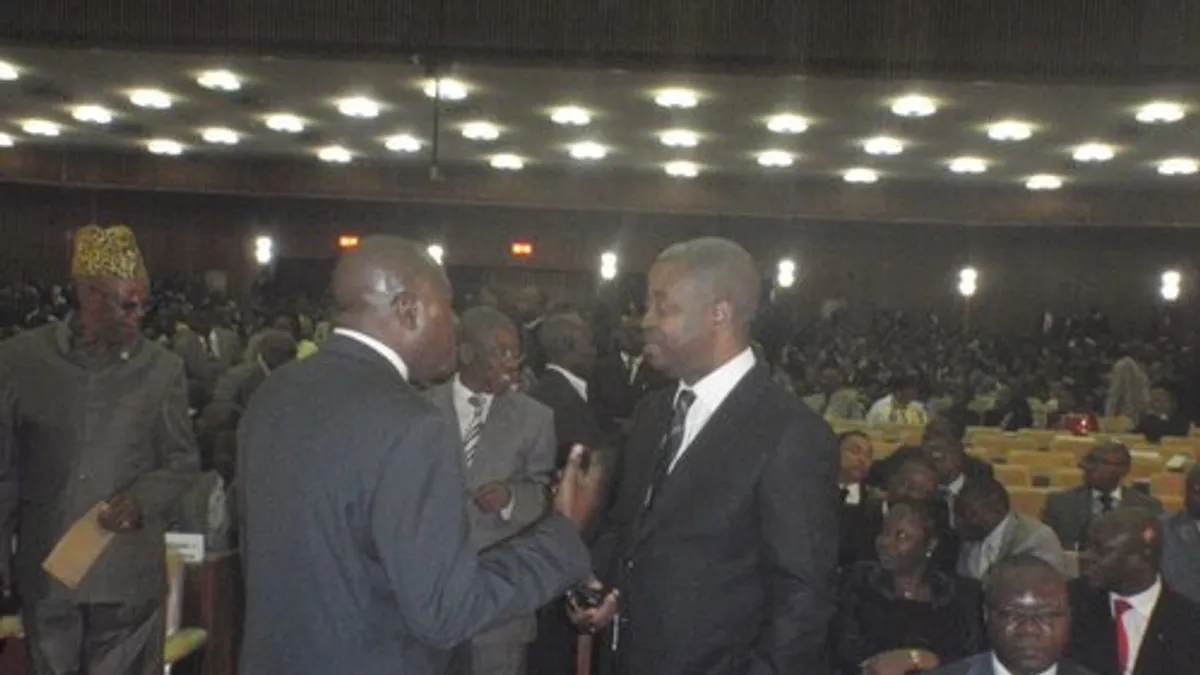
Tear gas in Kinshasa — Tshisekedi's third term runs through a locked clause
Article 70 of the 2006 constitution gives a president two five-year terms, and Article 220 puts the number and length of that mandate among the clauses no revision may touch — which is why the route on the table is a referendum on a new text rather than an amendment to this one, and why this is bigger than one man's third term. We wrote in July that 2026's ballot year is a referendum on how leaders leave; our Power block puts odds on it: of the 54 leaders we grade, 21 governed with a term limit in force, 11 moved or removed it, and only Olusegun Obasanjo was stopped outright — by his own Senate, in 2006. Our Scorecard read on Tshisekedi was written before this week and still fits: legitimacy and constitutional conduct are the two half-marks on a card of 2.5 out of 5. He has something to argue with — rule of law and control of corruption have climbed to the 68th percentile of African countries since 2019, above the continental median — but his democratic trajectory sits at P38 and rights and participation at P34, and the question we put to the minerals-for-security accords in August, who benefits, is harder to answer for a presidency negotiating its own extension. The real test is not a dialogue convened by ordinance two days before the police moved: it is whether a referendum ever gets a date, and whether the Court that unlocked the law is ever asked to rule on Article 220 itself.
Police fired tear gas in Kinshasa on 15 September, the day the parliamentary session opened, as the opposition C64 coalition marched on the National Assembly against a constitutional revision that could let Félix Tshisekedi run again; at least 10 people were arrested, and marches were also broken up in Lubumbashi and Uvira (Al Jazeera, 15 September). The Constitutional Court validated the referendum law on 30 July, and on 13 September Tshisekedi signed an ordinance creating a national-dialogue committee placed under his direct authority (Radio Okapi, 13 September); his second term ends in 2028.
A vigilar: Whether a referendum date is set before the parliamentary session that opened on 15 September closes in mid-December, and whether the Constitutional Court is asked to rule on Article 220 itself.
Fuentes: Constitution of the DRC, Articles 70 and 220 (Constitute Project) · Radio Okapi on the national-dialogue ordinance, 13 Sep · Al Jazeera, 15 Sep
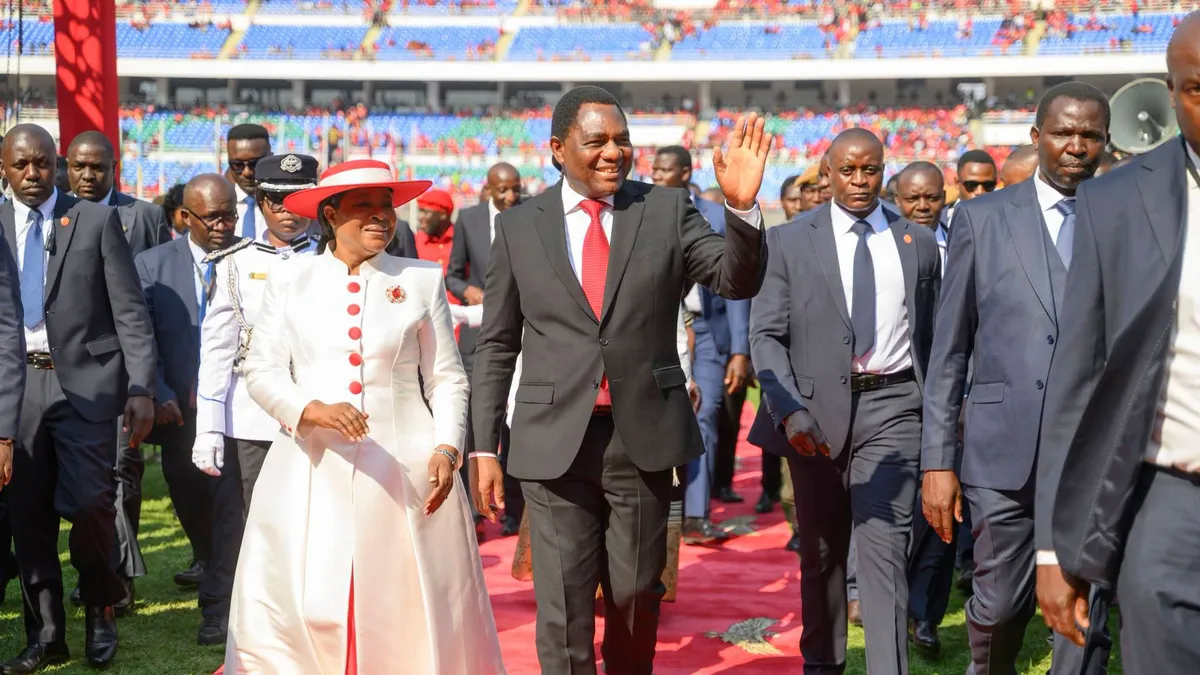
Zambia re-elects Hichilema — then tests its own democratic reflexes
Zambia keeps doing the rarest thing in politics: settling power at the ballot box, repeatedly. The man who lost five elections before winning knows what defeat feels like — the best insurance a democracy can have. But courts that are hard to reach on deadline day chip away at exactly the trust that makes losers concede. Term two's real test: the debt exit, copper, and keeping the referee neutral.
President Hakainde Hichilema won a second term with about 60% of the vote against Brian Mundubile's 38%. But the Constitutional and Supreme Courts closed on 24 August — the last day to file a challenge — citing security, narrowing the opposition's legal options.
A vigilar: The IMF programme review in the fourth quarter, and whether the court closure is ever investigated.
Fuentes: Al Jazeera, 2 Sep · Bloomberg, 25 Aug · Judiciary statement via Mwebantu
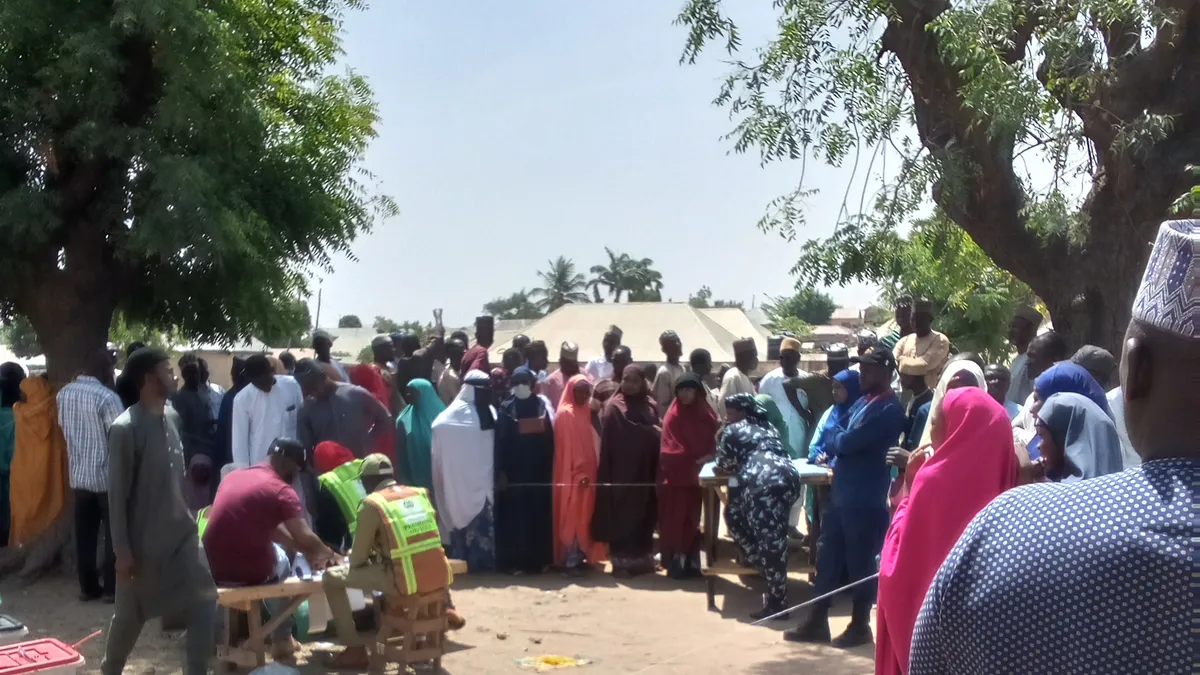
2026's ballot year is a referendum on how leaders leave
Our Scorecard's fifth criterion — constitutional conduct and exit — is the story of this election year. History's verdict is written less by how leaders govern than by how they go. Mandela set the standard in a single term; leaders deep into their fourth decade are writing a different chapter. Watch the successions nobody is planning.
From Museveni's seventh term — won in January with 72% after term and age limits were removed — to December's legislative vote in Cameroon, this year's crowded election calendar is testing the continent's longest-serving incumbencies, several with no succession in sight.
A vigilar: Cameroon's 20 December legislative vote, and any succession signal from Kampala, Yaoundé or Brazzaville.
Fuentes: Africa Center, 2026 elections · allAfrica, Museveni declared · Anadolu factbox