 KemetLeads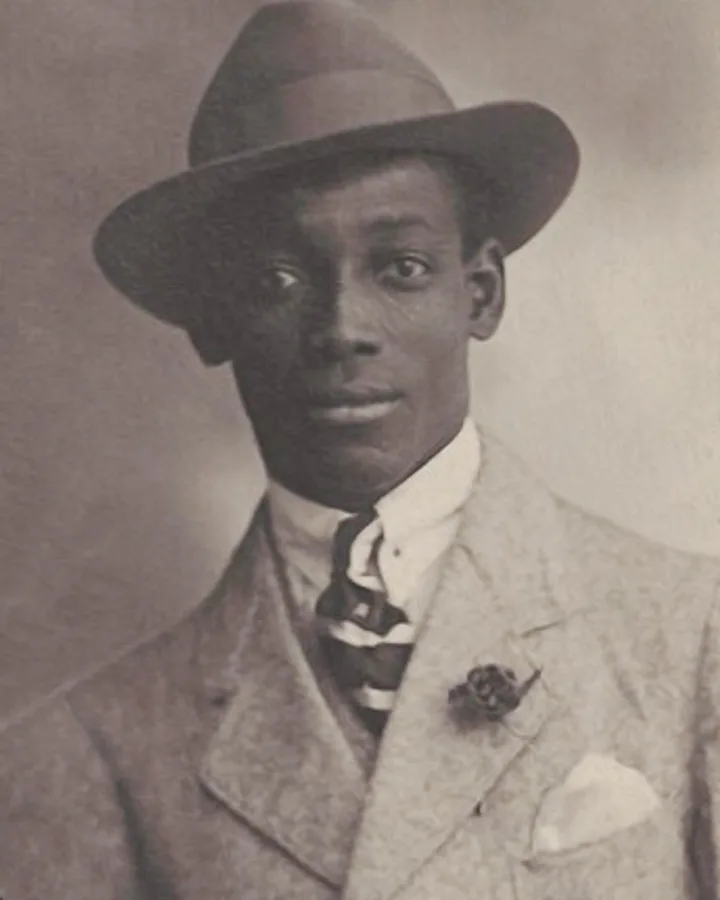
Anton de Kom
He wrote Suriname's slavery from the inside, and died in a German camp fighting the other empire.
The rise
Born on 22 February 1898 in Paramaribo, grandson of enslaved people, he clerked for a trading firm, left for the Netherlands in 1920, married a Dutch woman and settled in The Hague among communists, Indonesian nationalists and Surinamese students — an empire's colonies meeting in its capital.
What they did
He sailed home in January 1933 and workers queued at his father's yard with grievances. Arrested on 1 February, he was held while a crowd demanded his release; on 7 February police fired into it, killing two and wounding twenty-two. Deported, he published Wij slaven van Suriname in 1934 — the colony's history told from the enslaved side, cut by its own publisher, uncut only in 1971.
The full picture
He was a committed communist and wrote for the underground paper De Vonk; arrested on 7 August 1944, he died of tuberculosis on 24 April 1945 at Sandbostel, a Neuengamme subcamp. His body was identified in a mass grave in 1960, the resistance cross came in 1982, a place in the Dutch canon in 2020, the cabinet's apology in 2023.
Why it matters
He named colonialism and fascism as one machine and was killed by the second half of it. The state that deported him needed seventy-eight years to apologise and now teaches his book in its schools.
“Rich in natural treasures, in gold and bauxite, in rubber, sugar, banana and coffee... poor in people, poorer in humanity.”