 KemetLeads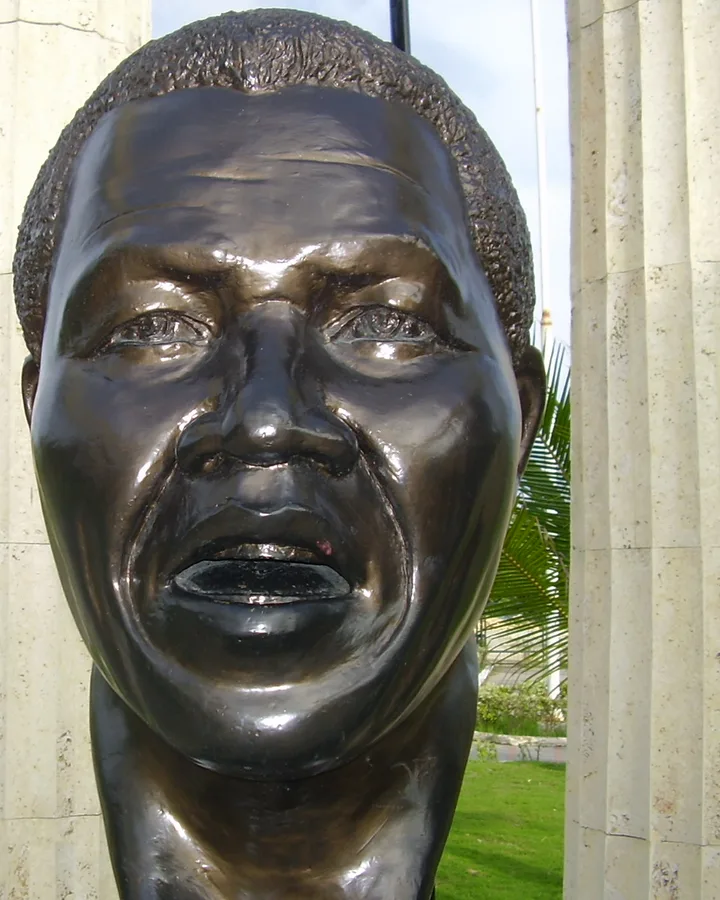
Benkos Biohó
He walked off a Cartagena slave gang and built a town the Spanish empire had to sit down and negotiate with.
The rise
African-born, from the Bijagós islands of present-day Guinea-Bissau by oral tradition, he was sold at Cartagena de Indias about 1596 under the baptismal name Domingo. He escaped into the marsh country south-east of the city around 1599 with a small band and organised it as an armed settlement. All of these dates are uncertain.
What they did
His palenque fielded scouts inside Cartagena and cut the roads, forcing governor Gerónimo de Suazo to offer terms in 1605 and Diego Fernández de Velasco to settle a peace around 1612. Holding a safe conduct, he was seized entering the city in 1619 and hanged and quartered on 16 March 1621. San Basilio de Palenque is still inhabited; Colombia calls it the first free town in the Americas.
The full picture
The record is thin and comes mainly from his enemies' chroniclers; much of the story, including his kingship in Africa, rests on later oral tradition. Some historians find no direct documentary link between him and the present municipality, whose recognition as free by the Spanish crown is dated 1713, a century after his death.
Why it matters
The town outlived the empire that hunted it. UNESCO calls its Palenquero the only creole language in Latin America with a Spanish lexical base and the grammar of Bantu languages.