 KemetLeads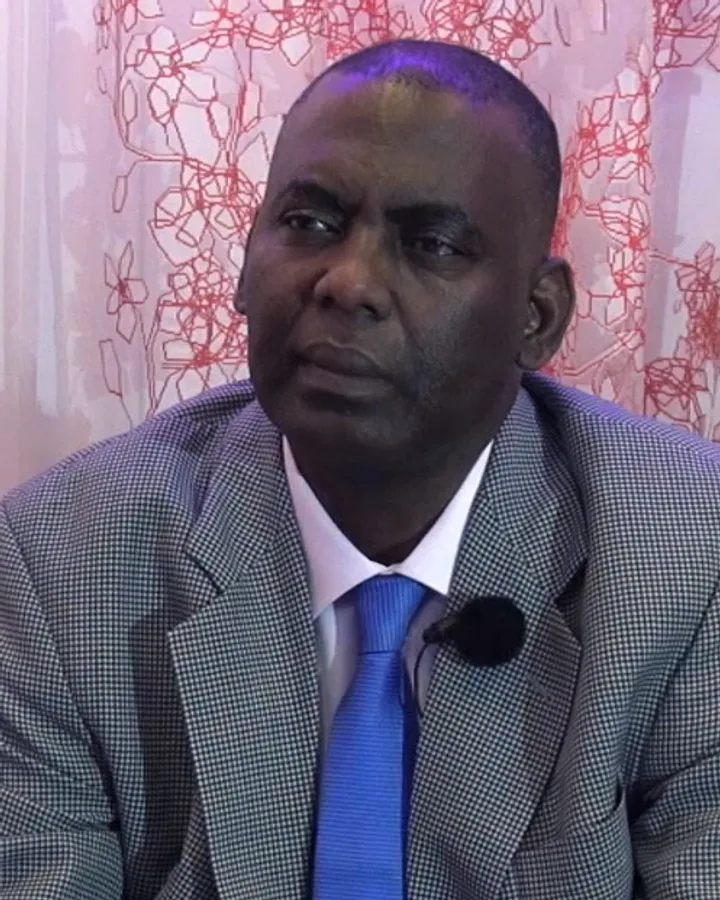
Biram Dah Abeid
In the last state on earth to abolish slavery, he drags the cases into court and makes the judges name them.
The rise
Born on 12 January 1965 in Trarza, a Haratine and the son of a freed slave, he worked as a court clerk from 1986 to 2001 and wrote his history dissertation at Cheikh Anta Diop in Dakar on slavery itself. He organised inside the NGO SOS-Esclaves, then founded the Initiative for the Resurgence of the Abolitionist Movement in 2008.
What they did
IRA finds enslaved families, files the complaints local lawyers avoid, and forces them before the special anti-slavery courts — in a state that abolished slavery in 1981, criminalised it in 2007 and made it a crime against humanity in 2015. He won the UN Human Rights Prize in 2013 and a TIME 100 place in 2017, and came second in the 2014, 2019 and 2024 presidential elections.
The full picture
Jailed three times and prosecuted for incitement, he also handed the state a weapon by burning Maliki legal texts in 2012, letting officials call IRA anti-Islamic. Parliament lifted his immunity over a defamation complaint in February 2024, and rivals read his shifting coalitions as electoral arithmetic rather than abolition.
Why it matters
Most of this collection treats slavery as history. He made a state that counts 32 people enslaved per thousand answer for it in its own courts, and turned the caste it does not count into its second political force.
“The African Union and its institutions remain, unfortunately, almost silent and won over to this apartheid system planted in West Africa — the Mauritanian system, which makes the oppression of people of African descent, slavery and anti-Black racism into a system of government.”