 KemetLeads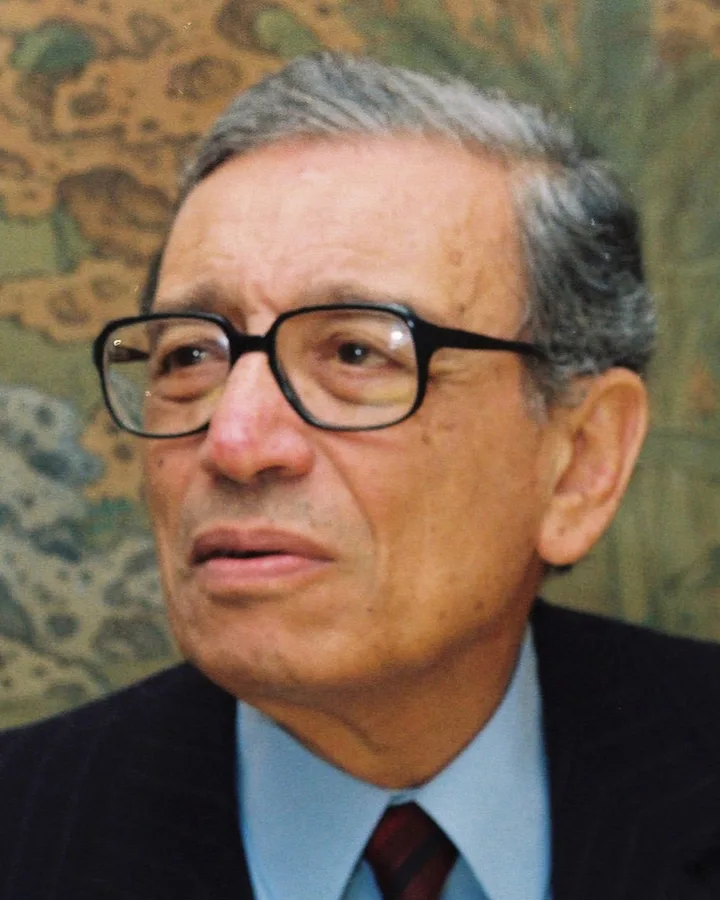
Boutros Boutros-Ghali
The first African to run the UN; fourteen Council members backed a second term and one veto ended it.
The rise
Born in Cairo on 14 November 1922 into a Coptic family of statesmen — his grandfather, Prime Minister Boutros Ghali, was assassinated in 1910 — he took a Paris doctorate in law in 1949 and taught at Cairo University. Minister of state for foreign affairs from 1977, he flew with Sadat to Jerusalem and sat at Camp David.
What they did
Secretary-General from 1992 to 1996, the first African and first Arab in the post, he published An Agenda for Peace (1992), which framed preventive diplomacy and peacebuilding for the post-Cold War UN as blue helmets swelled past 70,000. In November 1996 fourteen Council members voted him a second term; the United States alone vetoed it. He then led La Francophonie (1997–2002).
The full picture
Dallaire's January 1994 warning from Kigali never reached him or the Council, and the UN's 1999 inquiry found the Secretariat he led failed to act on it; he later called Rwanda 'one of my greatest failures'. Srebrenica fell in July 1995 in a UN 'safe area', and Sarajevo never forgave his 1992 remark that ten places had it worse.
Why it matters
The first African to run the UN, and the manner of his removal — one veto against fourteen votes — shows where power in the multilateral system really sits. His term tests what an African can do at the top of it.
“It is one of my greatest failures. I failed in Rwanda.”