 KemetLeads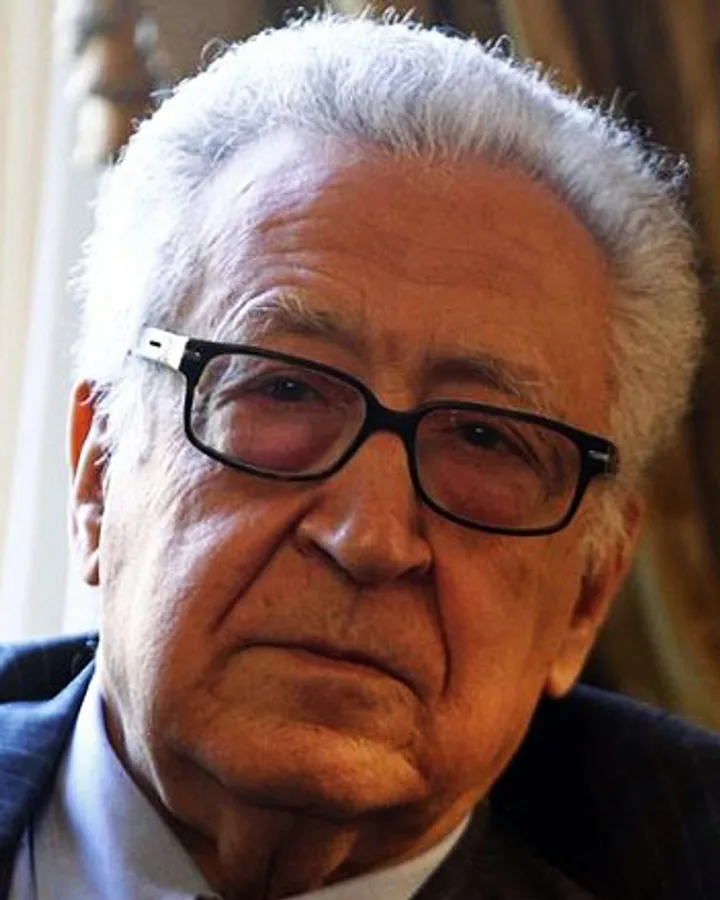
Lakhdar Brahimi
The man the UN sent into its hardest wars, and who told it never again to send peacekeepers empty-handed.
The rise
Born on 1 January 1934 in El Azizia, south of Algiers, he studied law in Algiers and Paris and joined the FLN in 1956, spending five years in Jakarta as its envoy to South-East Asia. Ambassador to Cairo and London, he served the Arab League from 1984 and helped broker the 1989 Taif Agreement ending Lebanon's war.
What they did
Algeria's foreign minister (1991–93), he chaired the panel whose August 2000 Brahimi Report, after Rwanda and Srebrenica, told the UN to match mandates to means; the Council acted on it in resolution 1327. As envoy for Afghanistan he brokered the December 2001 Bonn Agreement, shaped Iraq's interim government in 2004, and was Syria envoy from 2012 until he resigned in May 2014.
The full picture
Bonn excluded the Taliban, which he later called 'the original sin'. His report's core demands, rapid deployment and standing capacity, were never implemented. Syrian opposition figures said his mediation legitimised Damascus; Geneva II collapsed in early 2014. He was foreign minister when Algeria cancelled the 1992 elections.
Why it matters
Few diplomats have been sent into harder rooms. The Brahimi Report is the rare document that changed how an institution behaves, and his resignation over Syria was a public refusal to cover for a stalemate.
“It's very sad that I leave this position and leave Syria behind in such a bad state.”