 KemetLeads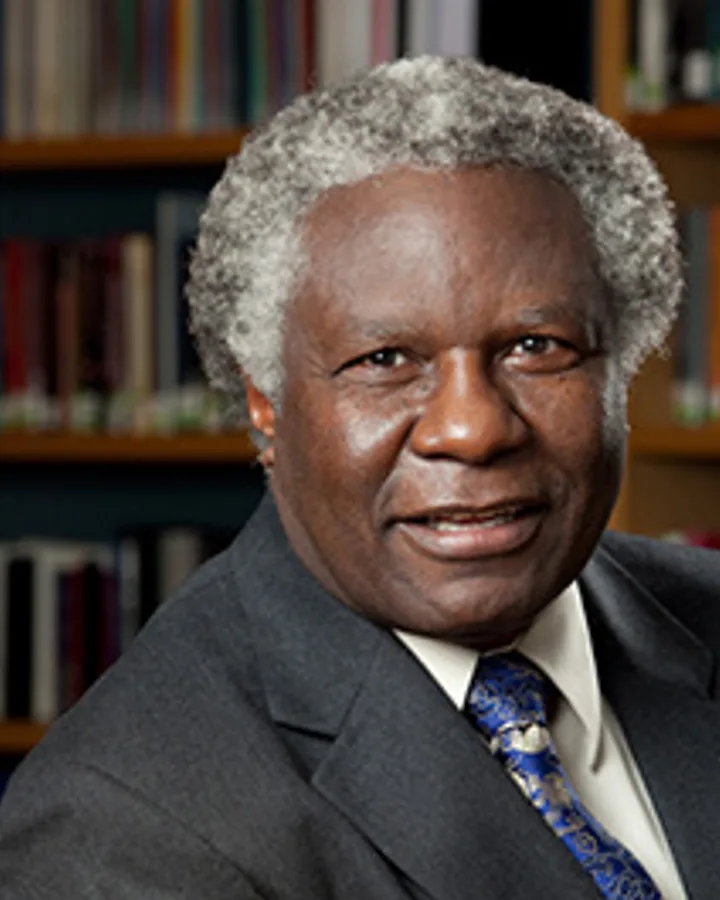
Calestous Juma
He argued Africa's constraint was missing institutions, not missing resources — then spent thirty years building them.
The rise
Raised on the Kenyan shore of Lake Victoria, Juma taught in a primary school and then became Africa's first science and environment journalist, at the Daily Nation, before taking a doctorate in science and technology policy at Sussex. In 1988 he founded the African Centre for Technology Studies in Nairobi, the continent's first independent institute devoted to applying science and technology to development.
What they did
In 1995 he became the first Executive Secretary of the UN Convention on Biological Diversity, and left in 1998 when donor countries refused to honour Article 19 on developing countries' access to the benefits of biotechnology. At the Harvard Kennedy School he wrote 'The New Harvest' and 'Innovation and Its Enemies', and was elected a Fellow of the Royal Society.
The full picture
A forceful champion of GM crops, he was accused by food-sovereignty groups of being too close to the agribusiness funders of his Harvard programme, and his 'new harvest' optimism has aged unevenly against the slow reality of African agricultural productivity.
Why it matters
His resignation from the biodiversity convention over a broken bargain is the kind of decision this collection should show: an African official walking out of an international post rather than presiding over an empty text.
“Technology is not transferred, it is acquired.”