 KemetLeads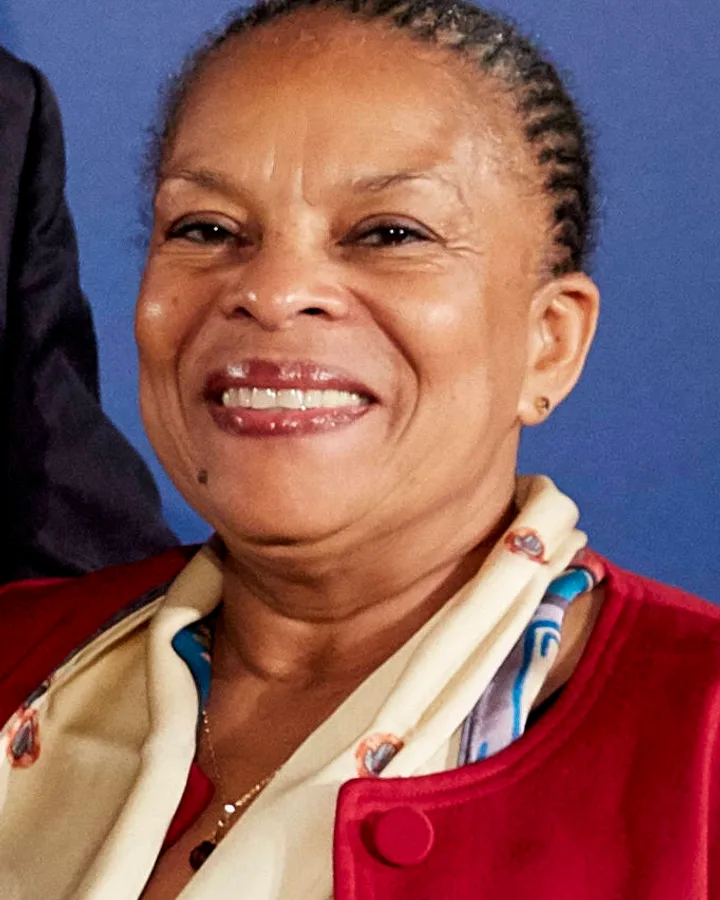
Christiane Taubira
She made France name slavery a crime against humanity, then carried marriage equality through the abuse.
The rise
Born in Cayenne on 2 February 1952, raised with ten siblings by a mother who brought them up alone, she took a postgraduate degree in economics in Paris, taught, then ran agricultural and fisheries bodies in Guiana. She co-founded the Guianese party Walwari in 1992 and was elected deputy for French Guiana in 1993.
What they did
Her bill, adopted on 10 May 2001, had France recognise the transatlantic and Indian Ocean slave trades and slavery as crimes against humanity, and put them on the school syllabus. Justice minister from 2012, she took the marriage equality law through the Assembly in 2013 under sustained racist abuse, and resigned in January 2016 over plans to strip convicted terrorists of nationality.
The full picture
Her 2002 presidential run took 2.32 per cent, and much of the French left still blames it for keeping Lionel Jospin out of the run-off against Le Pen. Her 2022 candidacy folded within weeks for want of sponsors. The right called her penal reform lax, the left called it timid. She has held a chair in São Paulo since late 2024.
Why it matters
One law changed what the French state is legally obliged to teach about itself; the Élysée marked its twenty-fifth anniversary in May 2026. She then left high office rather than apply a measure she judged wrong.
“We put the words on it, and we speak of selfishness for those who imagine that an institution of the Republic could be reserved for one category of citizens.”