 KemetLeads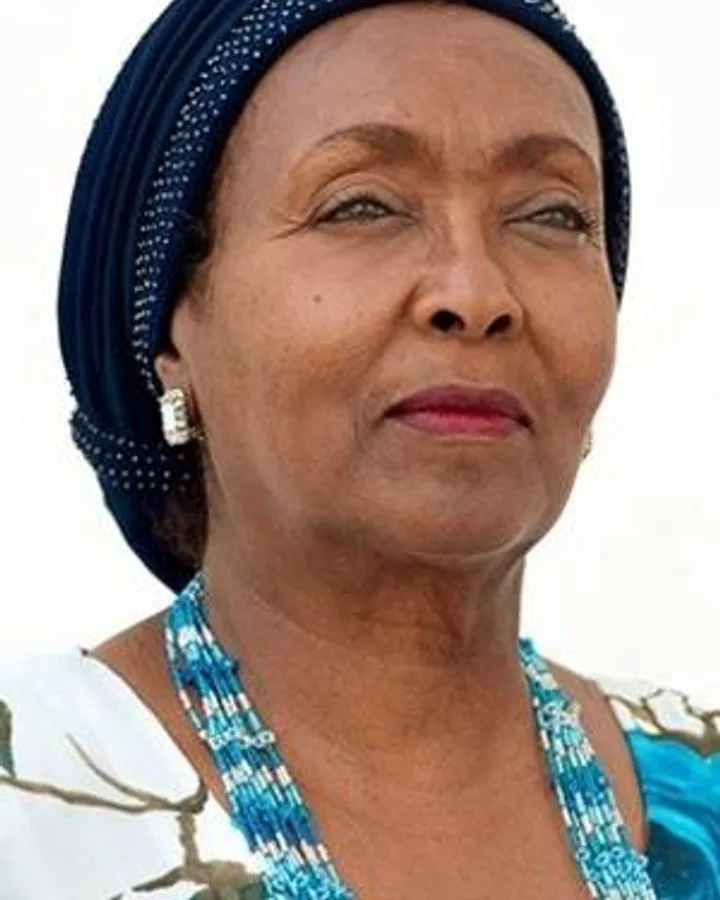
Edna Adan Ismail
She spent her pension building a maternity hospital on a rubbish dump, then trained the midwives to fill it.
The rise
Born in Hargeisa in 1937, the daughter of a prominent Somali doctor, she trained as a nurse-midwife in Britain and came home to a country with almost no maternal care. A first attempt to build a hospital in Hargeisa in 1980 was abandoned when the Somaliland war of independence drove her out; she spent the following years inside the World Health Organization, as regional technical officer for mother and child health from 1987 to 1991 and then as WHO representative in Djibouti until 1997.
What they did
On retiring she put her savings and pension into a maternity hospital built on a former landfill in Hargeisa; it opened in March 2002 and became a teaching hospital and university training thousands of midwives. Somaliland's foreign minister from 2003 to 2006, the first woman in the post, she has fought female genital mutilation for over fifty years, publishing her wards' clinical data.
The full picture
Her political career belongs to a state no country recognises, and she is an outspoken partisan of Somaliland's separation from Somalia, which limits how she reads in Mogadishu. The hospital also depends heavily on Western and diaspora philanthropy, a fragility she has acknowledged.
Why it matters
She was cut herself at eight and said so publicly decades before it was safe to, turning a private injury into measured clinical evidence. Her leadership is the unglamorous, physical kind: buy the ground, lay the bricks, train the staff, count the outcomes.
“I insist that if you are going to be a health worker and you are going to be a midwife or a pharmacist or a lab technician or any other health professional who is trained in my hospital, then you need to commit to me that you are going to fight FGM.”