 KemetLeads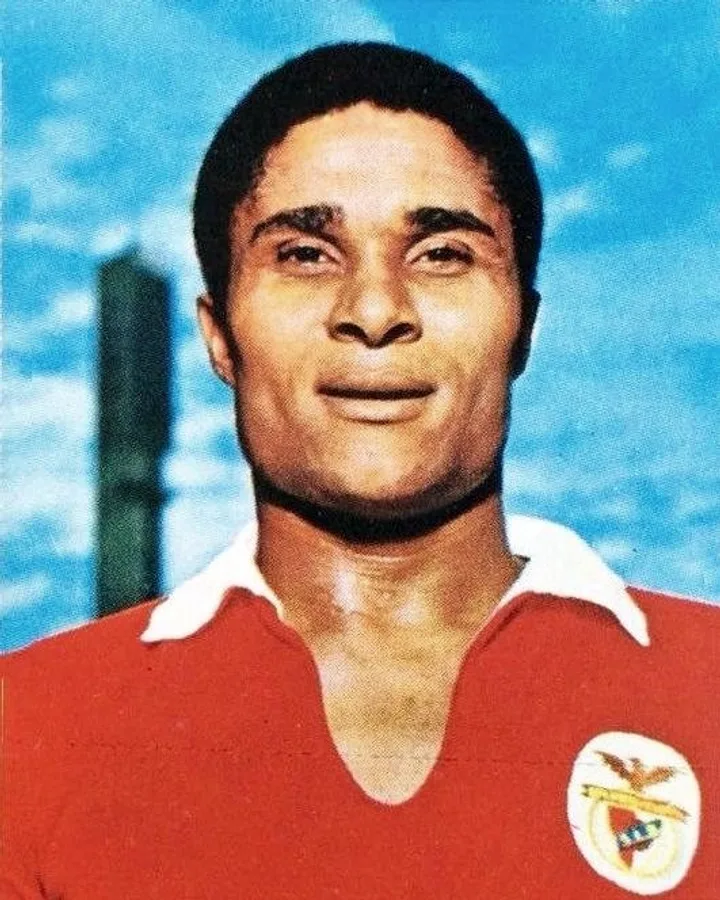
Eusébio
Mozambique was a Portuguese colony, so the best African footballer of his time played for Portugal.
The rise
Born on 25 January 1942 in Mafalala, a poor quarter of Lourenço Marques — now Maputo — in Portuguese-ruled Mozambique, he played barefoot with balls of rolled rag before joining Sporting de Lourenço Marques. A Brazilian scout, José Carlos Bauer, tipped off Benfica, which signed him in May 1961 after a legal fight with Sporting.
What they did
In 1962, aged twenty, he scored twice as Benfica beat Real Madrid 5–3 in the European Cup final, and he took the Ballon d'Or in 1965. At the 1966 World Cup he was top scorer with nine goals, four of them in the quarter-final against North Korea after Portugal went 0–3 down; Portugal finished third. He scored 473 goals in 440 matches for Benfica.
The full picture
Salazar's dictatorship displayed him as proof of a 'multiracial empire' while fighting a liberation war in his birthplace, declared him a national treasure and refused him leave to go abroad, killing Inter Milan's interest. He said almost nothing in public about colonialism or Mozambican independence.
Why it matters
He is where the African presence in European football begins: the first African-born player to dominate the European game, and a permanent argument about whom the diaspora's achievements belong to.
“I regard that as a great responsibility because I am representing Africa and Portugal, my second homeland.”